1. Our team will reach out in <30 minutes.
Check your inbox or phone, we’ll tailor your demo to your use case.
2. We build your custom demo
Flowcodes, FlowURLs, and FlowHubs with the data behind the whole platform - so you see exactly what Flowcode unlocks.
3. You go live in days
Our team handles setup. You handle growth.









.webp)


.png)
.png)

.png)

.png)

.png)
%20copy%203.png)
.png)



Back to all articles
The Death of QR Code Sprawl
May 4, 2026

QR codes have officially graduated from campaign asset to enterprise problem.
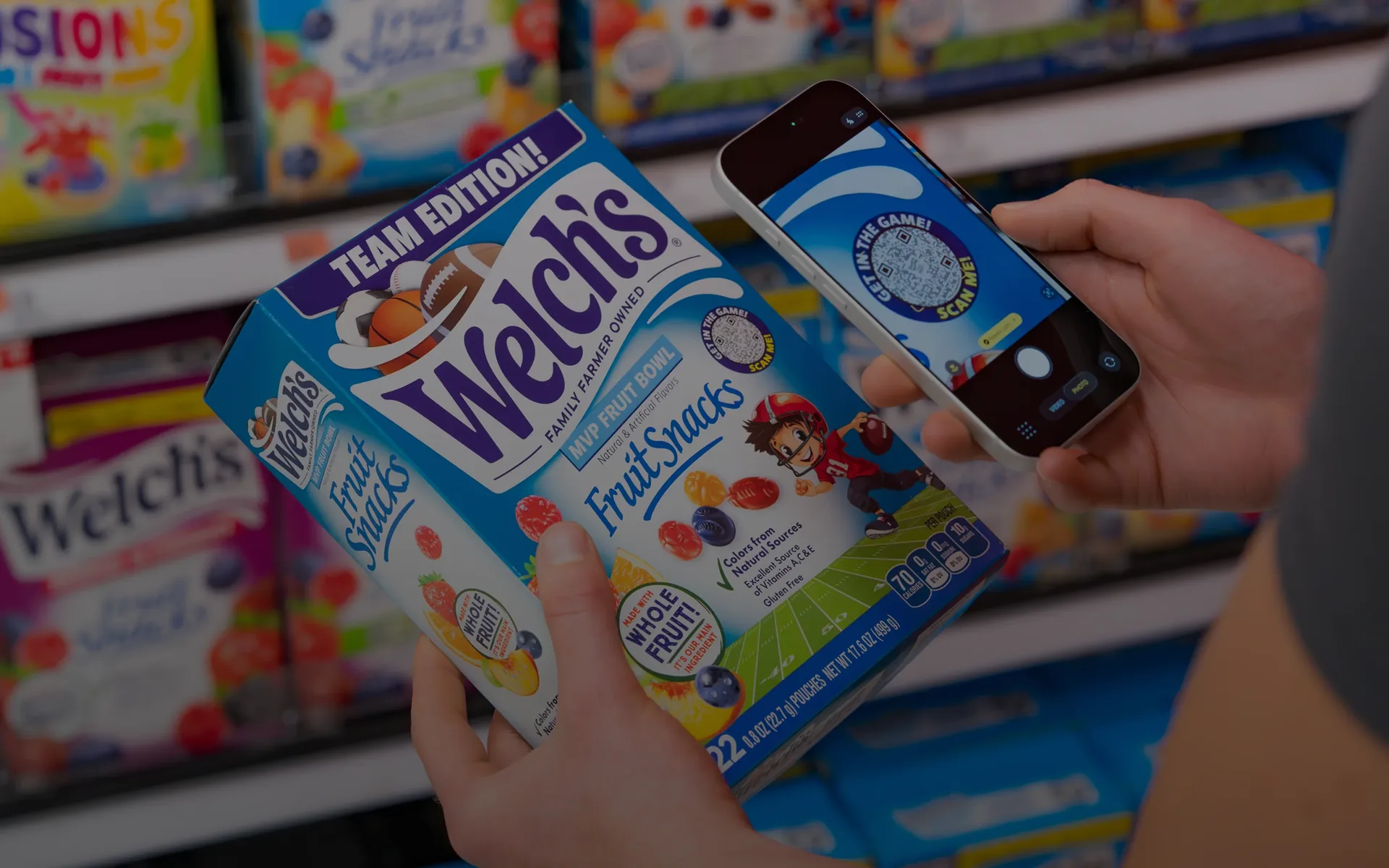
QR codes have officially graduated from campaign asset to enterprise problem. In 2026, the average global brand is managing thousands of active codes across packaging, signage, advertising, mailers, and digital touchpoints. Most of them were spun up by regional teams, agencies, or individual marketers, often without coordination. The industry has a name for this now: QR code sprawl, and it's quickly becoming the defining infrastructure problem for enterprise marketing.
The market is too big to ignore
The global QR code market grew from $13 billion in 2025 to a projected $15.2 billion in 2026, on its way to $33 billion by 2031. Marketing scans have grown 323% since 2021, and over 2.2 billion people now scan regularly. The technology is no longer optional, and the volume is no longer manageable on a spreadsheet.
Sprawl is a consequence of success
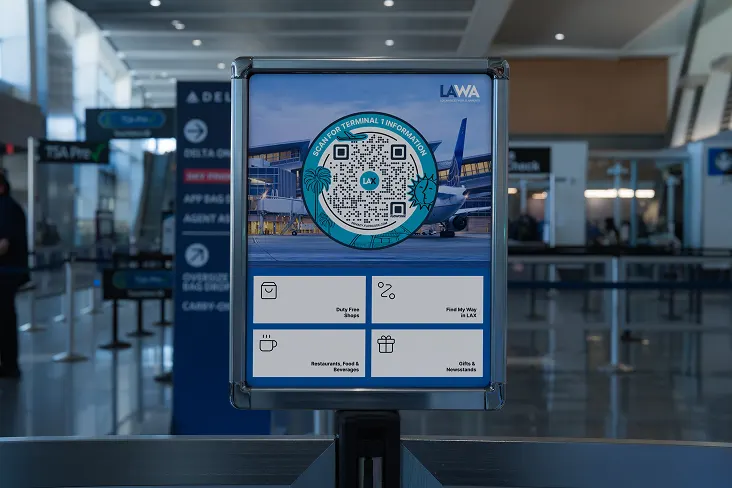
Every team in the building wants their own codes. Brand marketing prints them on packaging. Retail teams put them on shelf talkers. Field marketing deploys them at events. Support spins them up for surveys. By the time leadership asks a simple question, how many codes are live and what are they doing, no one can answer with confidence.
The hidden costs show up in three places
Brand consistency takes the first hit. A code printed by a regional team in 2023 may still be on packaging shipped today, pointing to a dead page or an off-brand destination.
Data fragmentation is next. Scans from a single customer journey end up in three platforms that cannot talk to each other, leaving the analytics team reconciling spreadsheets instead of doing analysis.
Security closes the list. A code printed in public is an open invitation, and brands without governance over what is live are exposing themselves to redirect risk and reputational damage.
The fix is governance, not slowdown
The answer is to consolidate codes onto a single platform that treats them like the enterprise infrastructure they have become. One source of truth where every code is registered and trackable. Hierarchy and permissions, so regional teams can move fast while leadership keeps a unified view. Brand controls baked in, so even a code generated in a rush still ships on-brand. Audit trails for compliance and security teams.
This is the unlock Flowcode provides. Workspaces structure access by team, region, or department. Granular roles and permissions define who can do what. Sponsors and partners can have their own dedicated workspaces. SSO integrates with your existing identity provider, so access stays in sync as the org evolves.
The brands that solve this will compound the lead
They will move faster, ship more on-brand, and have a clearer picture of which campaigns are actually driving results. The ones that do not will spend the next two years untangling a web of one-off codes and wondering why their scan data does not add up.
QR sprawl is solvable. It just requires treating the code the way you would treat any other piece of mission-critical infrastructure: with governance, with standards, and with a platform built to scale.