1. Our team will reach out in <30 minutes.
Check your inbox or phone, we’ll tailor your demo to your use case.
2. We build your custom demo
Flowcodes, FlowURLs, and FlowHubs with the data behind the whole platform - so you see exactly what Flowcode unlocks.
3. You go live in days
Our team handles setup. You handle growth.









.webp)






.png)

.png)

.png)

.png)

.png)
%20copy%203.png)

.png)


Back to all articles
The IRL Economy Is Bigger Than Your CRM Knows
May 5, 2026

CRM attributes like loyalty status, lifecycle stage, or customer type flow into Flowcode and inform real-time routing. Behavioral data from scans and clicks flow back to the CRM. The brand stops operating with two parallel pictures of its audience and starts operating with one.
There's a quiet problem inside every enterprise marketing stack, and it gets worse every year.
The CRM is missing the moments that matter
The CRM is supposed to be the source of truth for a brand's customer relationships. For any relationship that lives primarily in the digital world, that picture is mostly complete. But for any relationship that touches the physical world, and in most consumer categories that's the majority of the relationship, the CRM is profoundly incomplete.
Consider the numbers. 85% of consumers are more likely to buy a product after attending a live brand event. 70% become repeat customers after experiencing a brand in person. In categories like CPG, automotive, travel, hospitality, and sports, the moment that creates a customer is almost never a digital one. It's a tasting, a test drive, a check-in, a game, a tour, a touch. And almost none of those moments make it into the CRM.
Why this happens
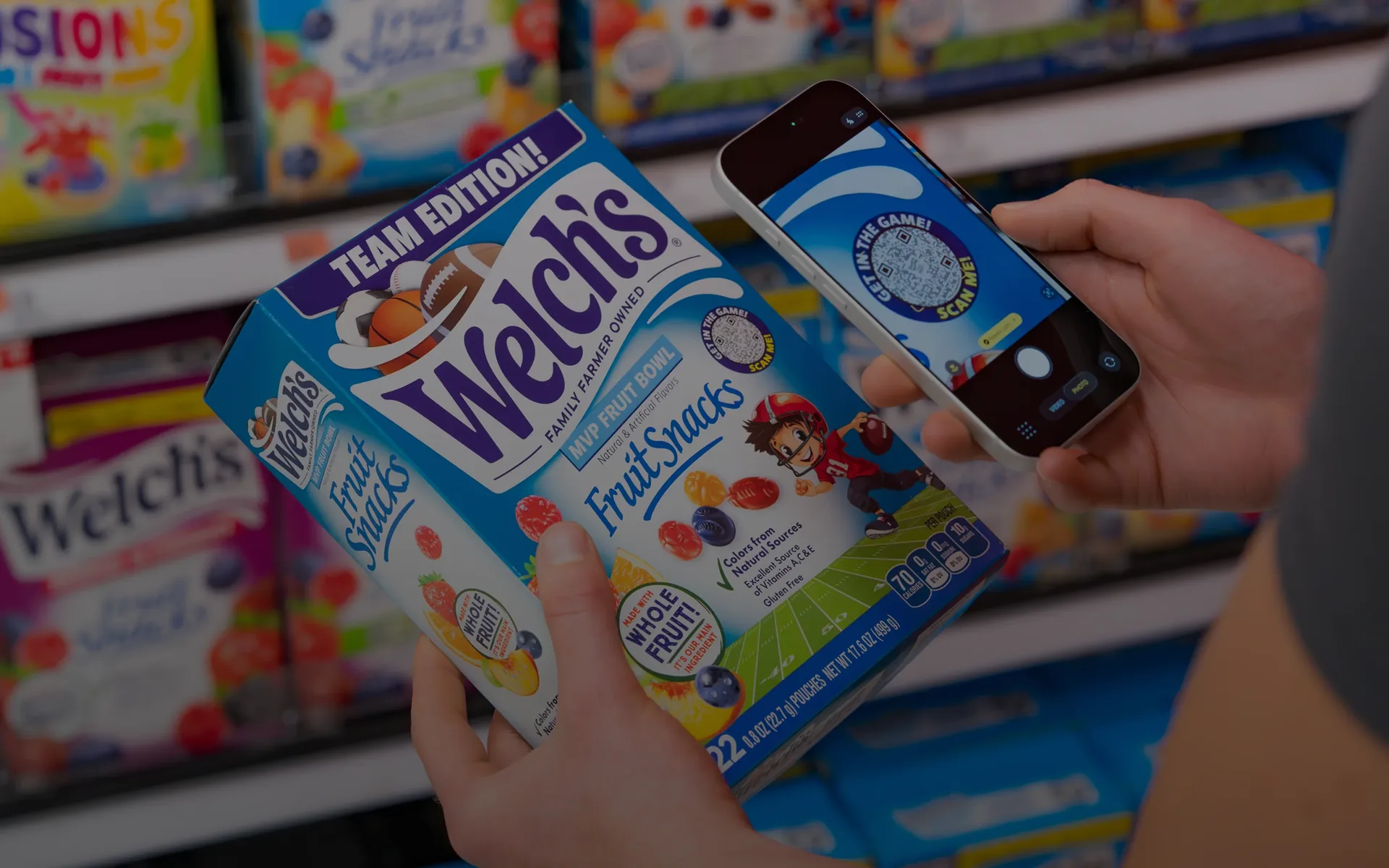
Most marketing stacks were built for a world where customer relationships started with a form submission on a website. The CRM gets fed when someone signs up, fills out a form, makes a purchase online, or clicks an email. It doesn't get fed when someone walks into a store, attends an event, scans a piece of packaging, or interacts with an out-of-home placement.
Those are the moments that most reliably create real customer affinity, and they're absent from the system that's supposed to know the customer.
The cost of a blurry customer picture
Loyalty programs miss customers who would have joined if asked at the right moment. Retargeting audiences exclude customers who engaged in person but not online. Lifetime value calculations under-count the customers most likely to be high-LTV. Segmentation is based on the subset of customers who happened to engage digitally, which is rarely the subset most worth marketing to.
The cost shows up in acquisition numbers that look higher than they really are, retention programs that fail to retain the most engaged customers, and lookalike audiences that target the wrong people.
Instrument the real world
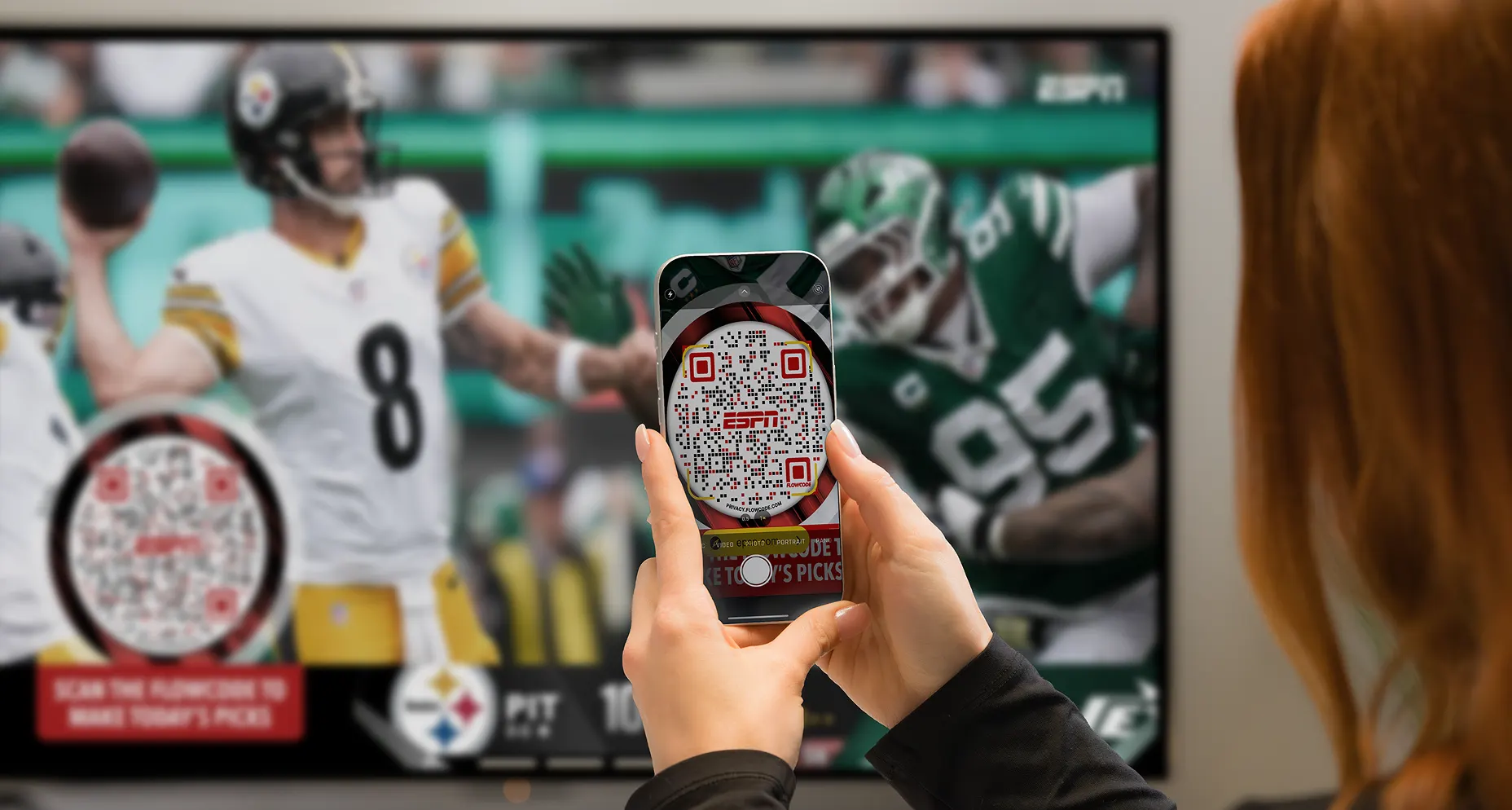
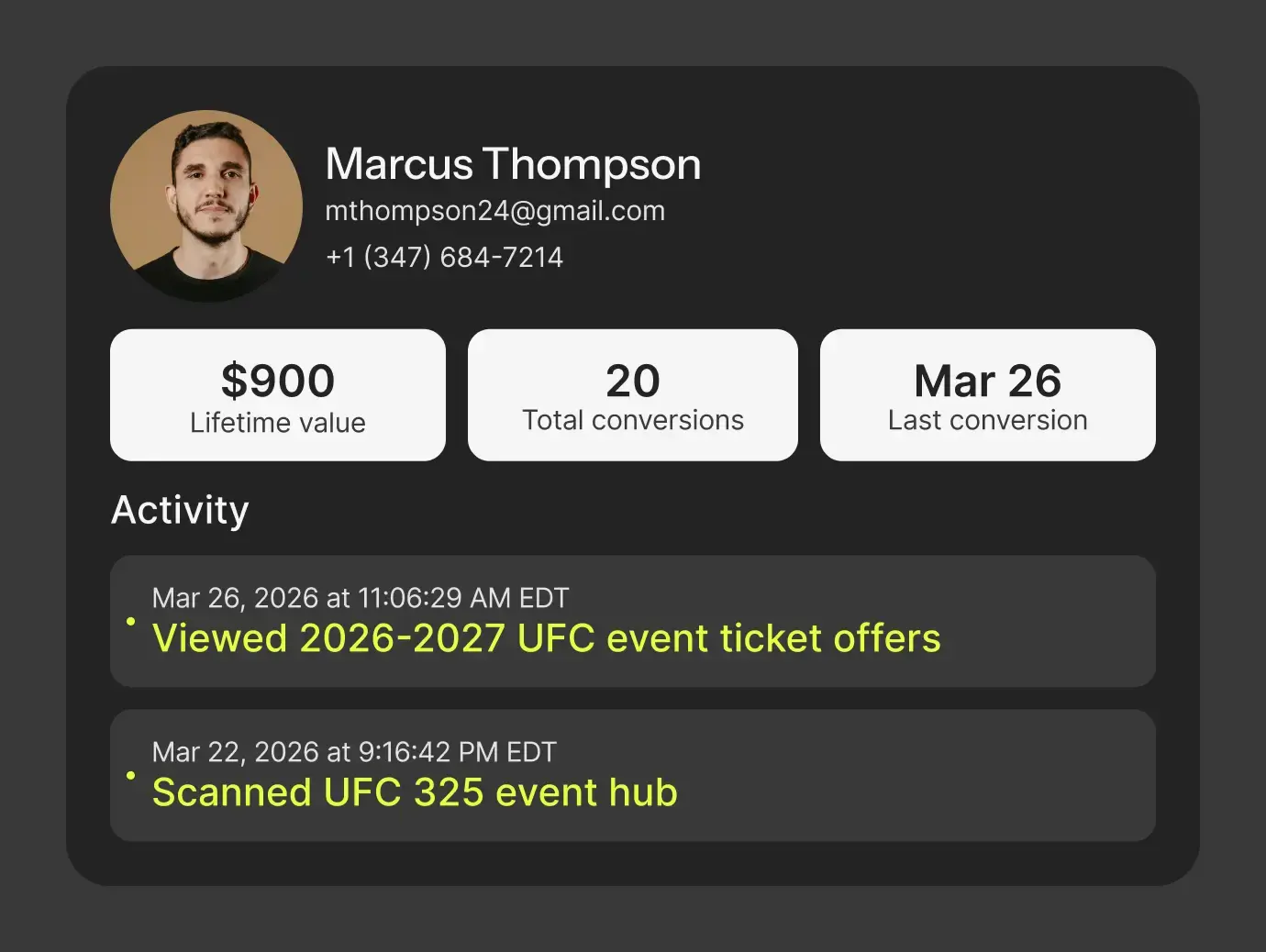
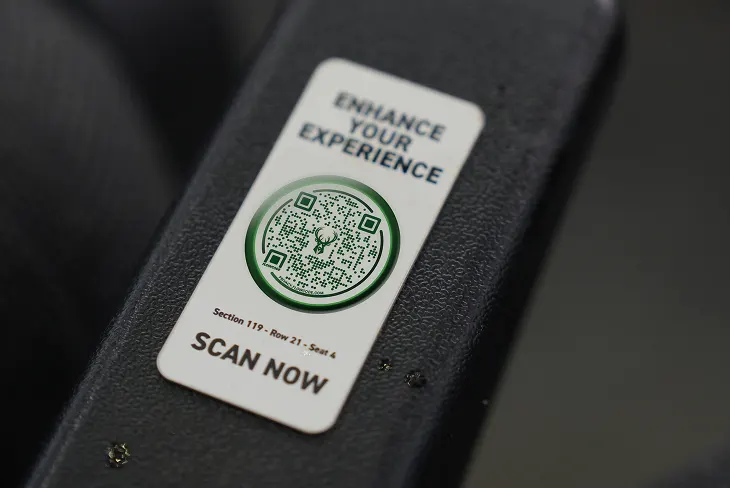
Every physical moment can become a captured connection. A scan at a stadium turns a fan into a known identity. A connection at a hotel check-in turns a guest into a known traveler. A click from a package turns a shopper into a known buyer. The technology has matured enough that closing the gap is now an operational decision, not an engineering one.
How FlowID closes the loop
FlowID is the connective tissue between the physical world and the digital one. Every scan, every click, every connection from a real-world moment becomes a known identity tied to a real person across devices, channels, and touchpoints. Two-way CRM syncing makes that identity available inside the systems where the brand actually operates: the email tool, the loyalty platform, the personalization engine, the analytics layer.
CRM attributes like loyalty status, lifecycle stage, or customer type flow into Flowcode and inform real-time routing. Behavioral data from scans and clicks flow back to the CRM. The brand stops operating with two parallel pictures of its audience and starts operating with one.
The IRL economy is enormous. Your CRM should reflect it.