1. Our team will reach out in <30 minutes.
Check your inbox or phone, we’ll tailor your demo to your use case.
2. We build your custom demo
Flowcodes, FlowURLs, and FlowHubs with the data behind the whole platform - so you see exactly what Flowcode unlocks.
3. You go live in days
Our team handles setup. You handle growth.









.webp)























.png)




.png)






.png)


.png)

.png)

%20copy%203.png)




.png)





Back to all articles
The Hidden Cost of Generic Short Links: Why Branded FlowURLs Convert 2.3x Better
May 11, 2026
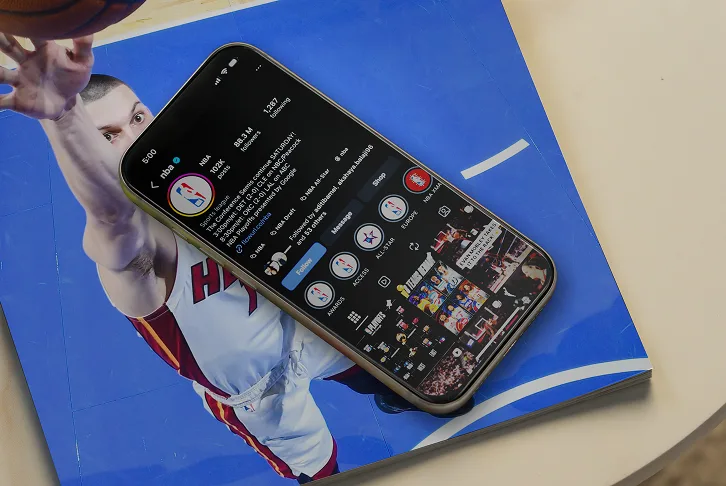

A short link looks like a utility. It's actually a brand surface, and the cost of treating it like a utility is bigger than most marketing teams realize.
A short link looks like a utility. It's actually a brand surface, and the cost of treating it like a utility is bigger than most marketing teams realize.
The 2.3x click-through gap
Branded short links earn 2.3x more click-throughs than generic ones. That's the difference between a campaign that performs and one that doesn't, and it shows up across every channel where a short link appears: SMS, email, direct mail, social posts, paid ads, and increasingly, voice and in-app surfaces.
The reason is trust. A link that starts with the brand's domain reads as legitimate, official, and worth clicking. A link that starts with a generic shortener reads as either spam or, at best, lazy. Modern consumers, conditioned by a decade of phishing attempts, will hesitate before tapping it. The lift isn't a quirk. It's the rational behavior of an audience that has learned to read links carefully.
The hidden attribution gap
When a brand sends emails through one platform, SMS through another, and paid social through a third, and all three use different generic shorteners, the brand ends up with three disconnected sets of click data sitting in three different systems. The customer journey looks fragmented because the infrastructure is fragmented. Reconciliation becomes a manual exercise that no analyst enjoys.
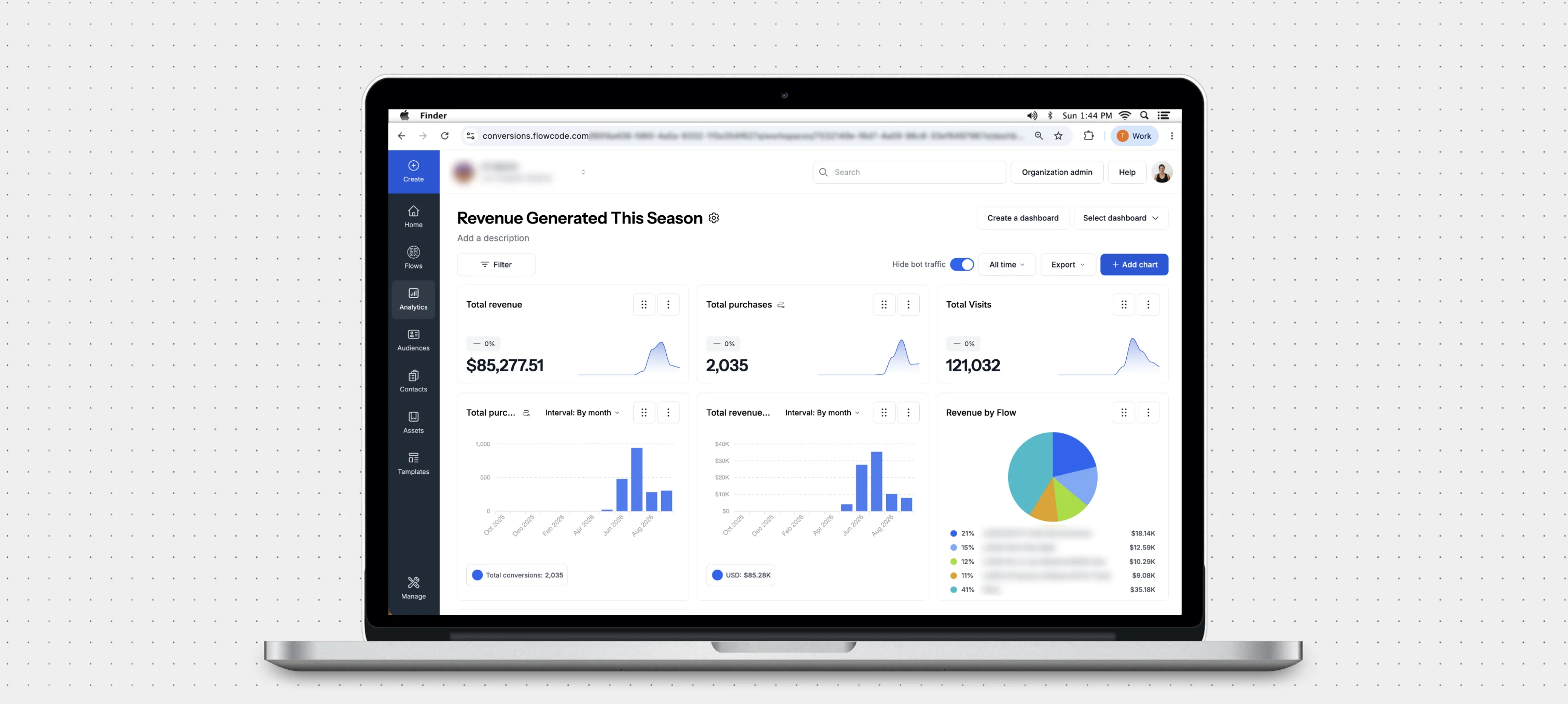
A branded link, by contrast, is more than a marketing surface. It's measurement infrastructure. When every short URL across the brand's channels lives on the same domain and inside the same platform, every click flows into a single analytics layer. The reporting question shifts from "how many people clicked our links?" to "which links are actually moving the business?"
The portability problem nobody talks about
Generic shorteners are owned by third parties. They can change pricing, change terms, or in the worst case, shut down entirely, taking every short link the brand has printed, broadcast, or published with them. A brand built on generic links is renting the most visible piece of its own marketing infrastructure.
A brand that has built years of recognition around its own short domain owns that infrastructure outright. The links it printed in 2020 will still work in 2030.
The case for FlowURL
Every link lives on the brand's own domain, which means every click reinforces brand identity rather than someone else's. Every interaction flows back into the same analytics layer as the brand's Flowcode activity, FlowHub traffic, and conversion events. Attribution stops being a reconciliation exercise. And because the underlying domain is owned by the brand, the entire short-link estate is portable, durable, and protected from third-party platform risk.
The math is simple enough to put in front of any CFO. If every marketing message a brand sends carries a 2.3x click-through gap because of the link it uses, and those messages drive five to nine figures of revenue per quarter, the cost of using generic short links is measured in millions, not pennies.
A short link is a brand surface. Treat it like one, and it pays for itself many times over.
.webp)
.webp)