1. Our team will reach out in <30 minutes.
Check your inbox or phone, we’ll tailor your demo to your use case.
2. We build your custom demo
Flowcodes, FlowURLs, and FlowHubs with the data behind the whole platform - so you see exactly what Flowcode unlocks.
3. You go live in days
Our team handles setup. You handle growth.









.webp)



.png)
.png)


.png)


.png)
.png)

%20copy%203.png)

.png)


Back to all articles
Static Landing Pages Are Dead. Long Live Dynamic Destinations.
May 10, 2026
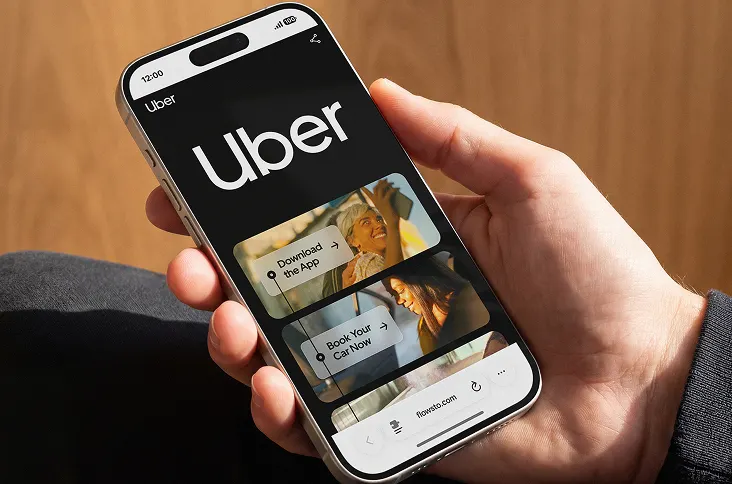

Dynamic, personalized landing pages convert 25.2% more mobile users than static, one-size-fits-all pages.
The static landing page, the kind that shows every visitor the same content regardless of who they are, where they came from, or what they're trying to do, is one of the most expensive mistakes in modern marketing.
The 25.2% lift you're leaving on the table
Dynamic, personalized landing pages convert 25.2% more mobile users than static, one-size-fits-all pages. That's a quarter more conversions, on the same traffic, with no additional acquisition spend. And yet most enterprise marketing programs are still funneling every Flowcode scan, every FlowURL click, and every paid ad into the same generic page, designed for an imaginary average visitor who doesn't actually exist.
Why one-size-fits-all stopped making sense
The economics of generic destinations made sense in 2010, when building a personalized page required engineering tickets, A/B testing infrastructure, and weeks of QA. They don't make sense now. The tools to deliver dynamic, contextual experiences have evolved past every excuse for not using them.
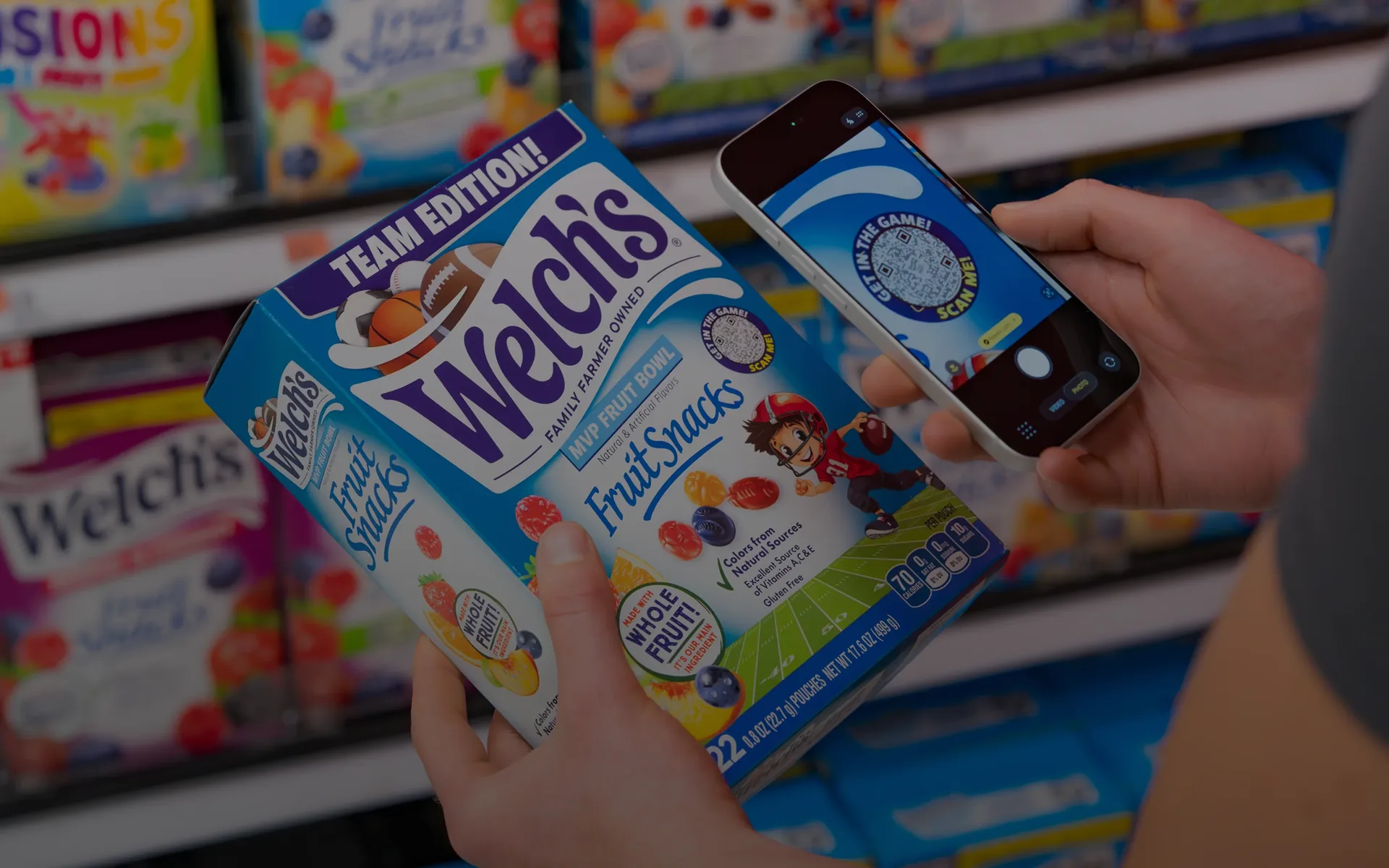
Picture a national campaign that touches twelve markets. The same code appears on a billboard in Atlanta, on a transit ad in New York, and on packaging in Los Angeles. Today, in most enterprise programs, all three scans go to the same landing page. One written for an audience that doesn't live in any of those cities. Generic copy, generic offers, generic CTAs, generic conversion rate. Sending all three markets to the same page is the marketing equivalent of speaking the same sentence, very loudly, to every visitor.
The dimensions you can route on
Location is just the first dimension. The real unlock is everything else. Time of day: a code scanned at 8 a.m. surfaces breakfast products, the same code scanned at 8 p.m. surfaces dinner. Device: an iPhone user goes to the App Store, an Android user goes to Google Play. Language: a French-default browser lands on French copy. Customer status: a known loyalty member sees a VIP experience, a new prospect sees an acquisition offer.
None of this requires new codes. It requires a destination smart enough to read the context and serve the right experience.
FlowHubs are destinations that think
A FlowHub is not a landing page in the legacy sense. Customers can self-select their path from a menu of branded experiences, surfacing real-time intent the moment they engage. Smart Rules let the same hub serve a different experience based on the conditions that matter, without the brand having to ship a second code or build a second page.
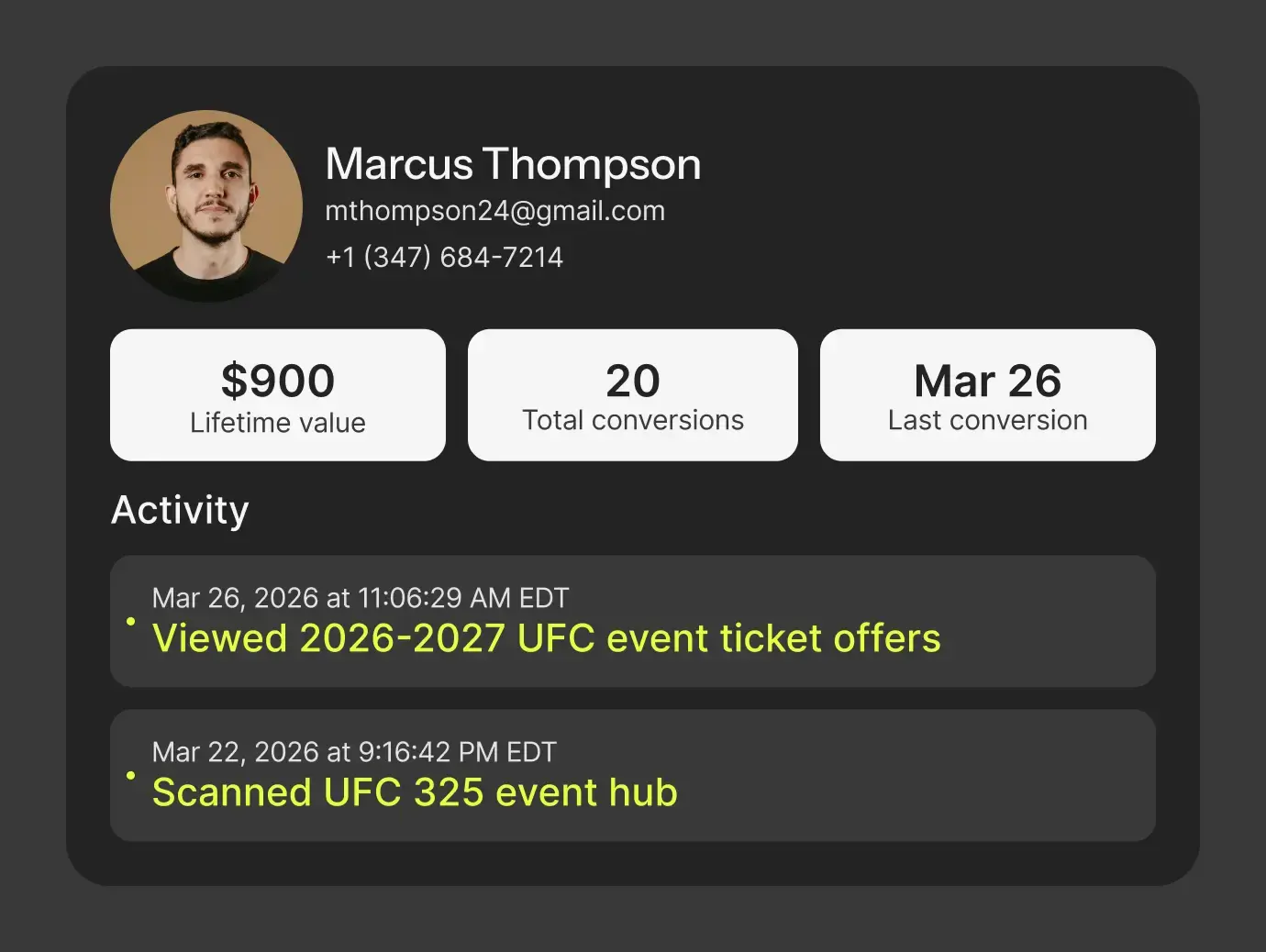
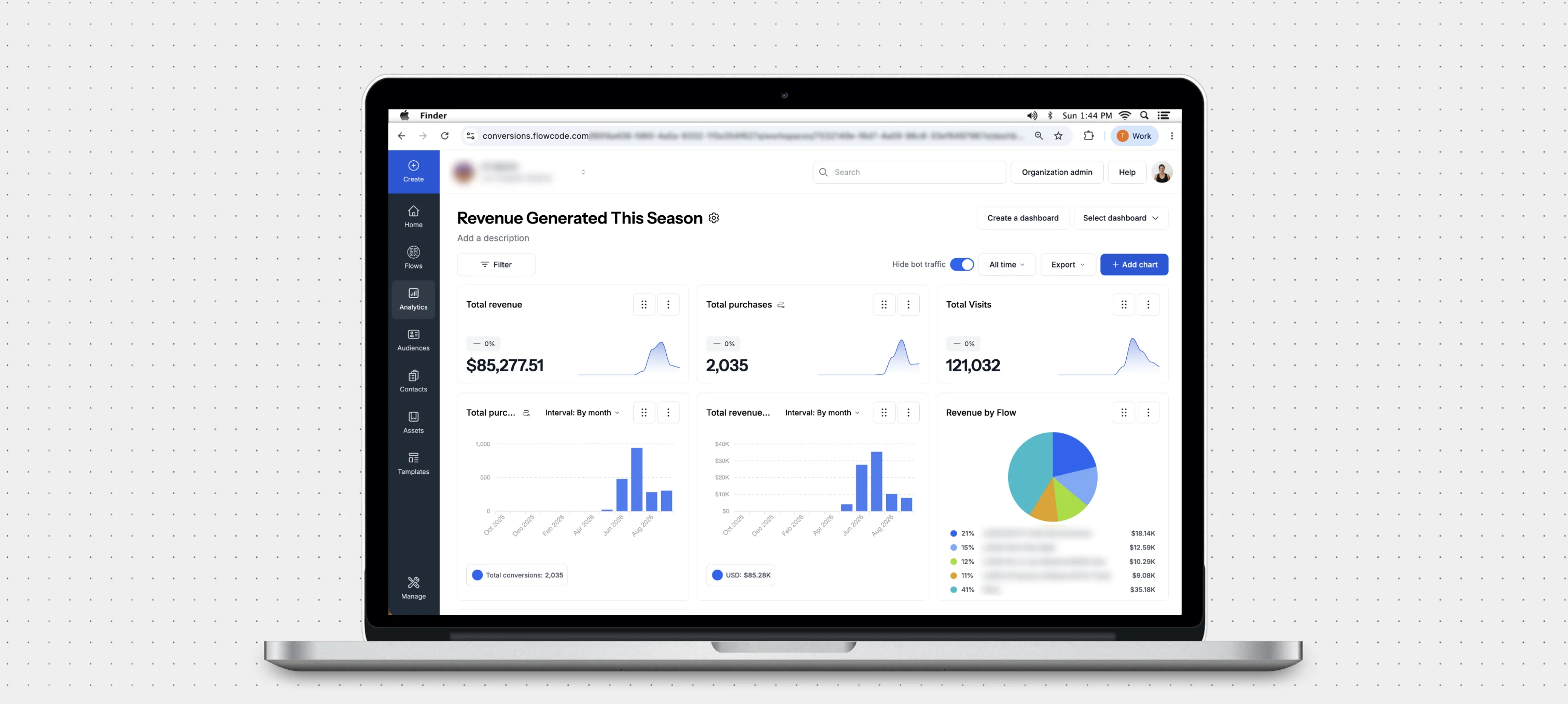
Because the entire experience lives inside the same platform that's tracking the scan, the click, and the downstream conversion, every interaction feeds back into the brand's data layer in a way that a generic landing page never could.
The shift isn't optional
The 25.2% lift isn't a hypothetical. It's what happens when a destination knows who's arriving and adjusts accordingly. The brands that build dynamic destinations now will compound that advantage every quarter for the next five years. The brands that wait will spend those five years explaining why their conversion numbers keep going the wrong way.
.webp)
.webp)