1. Our team will reach out in <30 minutes.
Check your inbox or phone, we’ll tailor your demo to your use case.
2. We build your custom demo
Flowcodes, FlowURLs, and FlowHubs with the data behind the whole platform - so you see exactly what Flowcode unlocks.
3. You go live in days
Our team handles setup. You handle growth.







.webp)


.png)
.png)

.png)
.png)
.png)
%20copy%203.png)
.png)


Back to all articles
Why Real-World Moments Are the New Marketing Frontier
May 9, 2026

The physical moment becomes a digital touchpoint, and the customer who walked through the door becomes a known contact in the brand's CRM. That instrumentation is what separates the brands generating durable ROI from the brands generating beautiful press coverage and not much else.
Something has shifted in how the most interesting brands in the world are thinking about marketing, and it's hiding in plain sight.
The budget tells the story
The experiential marketing market is growing from $55.5 billion in 2026 to a projected $71.2 billion by 2035. Event budgets are growing at 10.9% even as overall B2B marketing spend declines. 84% of consumer marketers and 86% of B2B marketers plan to increase event spending in 2026. These aren't fringe statistics. They're the leading edge of a structural shift in how brands compete for attention.
The brands proving it works
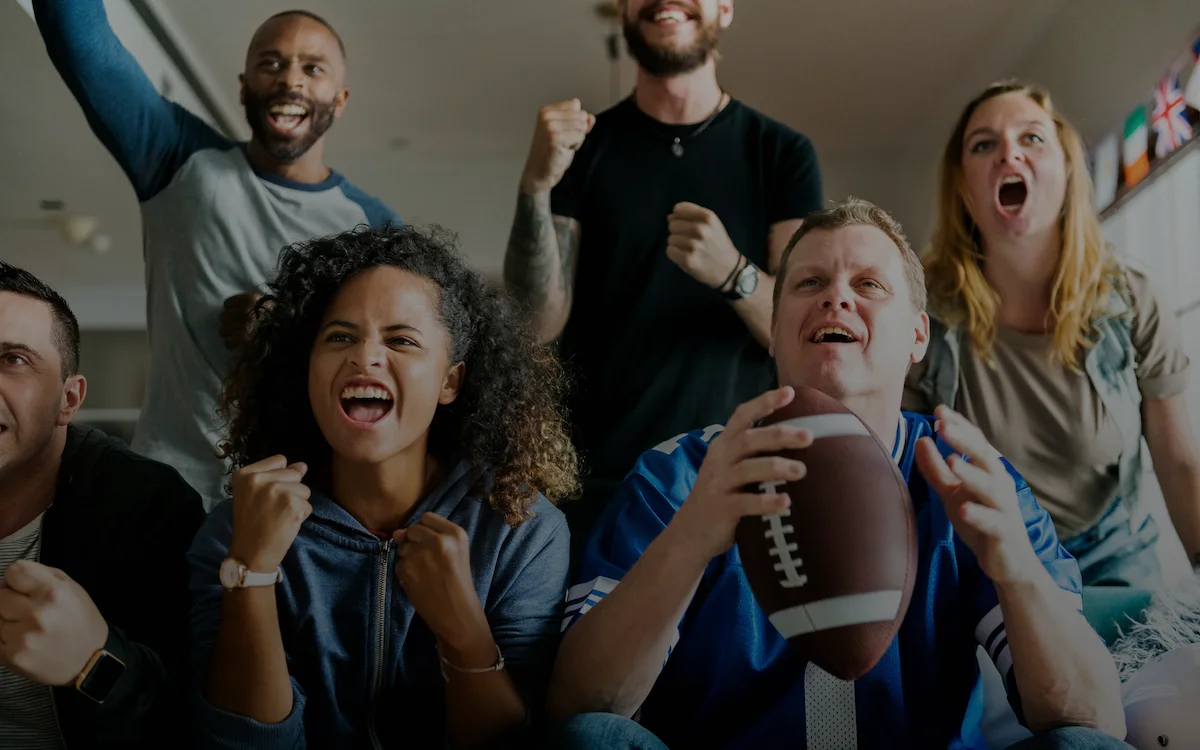
A Hailey Bieber smoothie at Erewhon generates more sustained cultural conversation than a six-figure social campaign. A Liquid Death event in a venue most adult beverage brands wouldn't touch creates more affinity per attendee than a year of programmatic spend. A Glossier pop-up in a city the brand doesn't have permanent retail in produces measurable lift in that city's e-commerce performance for months afterward.
The pattern repeats across category after category. The brands growing fastest right now are the ones treating physical moments as the primary marketing channel, not the supporting one. Real-world moments are becoming more important, not less. What's changing is the level of investment, the strategic seriousness, and the technology that surrounds each moment.
Why physical wins on trust
Physical experience is the highest-trust environment a brand has access to. A consumer who has tasted the product, met the team, held the packaging, or felt the brand's space has a relationship that a digital ad cannot replicate. 85% of consumers say they're more likely to buy a product after attending a live brand event, and 70% become repeat customers after experiencing a brand in person.
The instrumentation gap separates winners from headlines
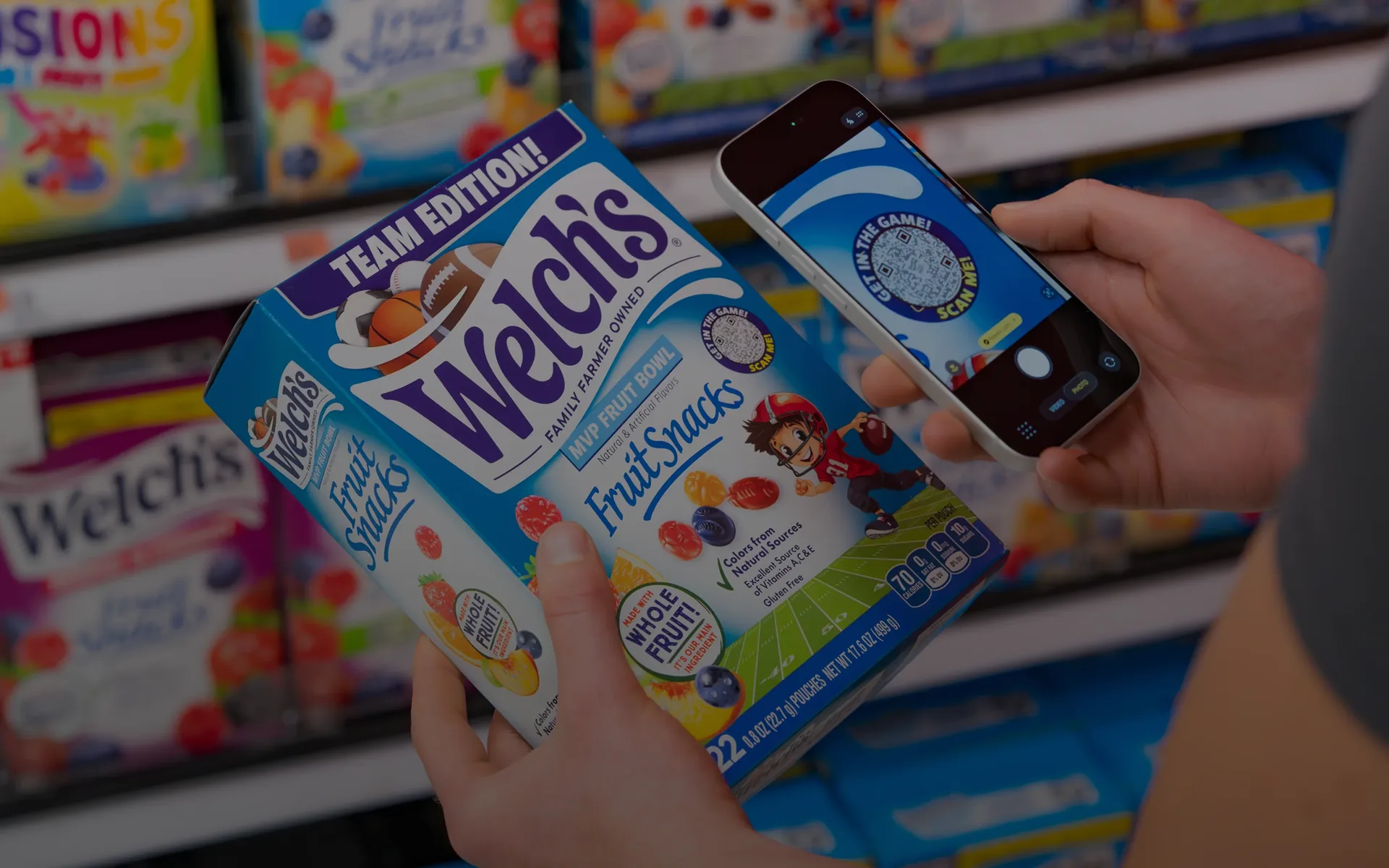
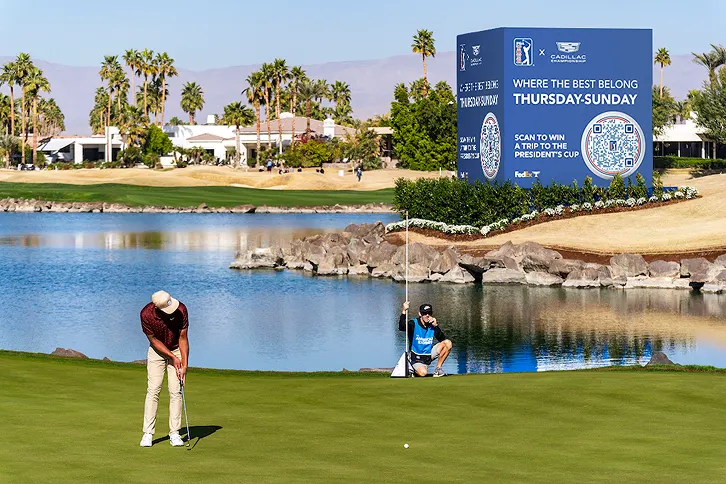
The new frontier isn't just about showing up in the real world. It's about capturing what happens there. The brands running this play well are not just creating IRL moments. They're instrumenting them. Every interaction at an Erewhon collab, a Liquid Death event, a Glossier pop-up, or a stadium activation is a data point: who came, what they did, what they were interested in, whether they signed up, whether they bought.
The physical moment becomes a digital touchpoint, and the customer who walked through the door becomes a known contact in the brand's CRM. That instrumentation is what separates the brands generating durable ROI from the brands generating beautiful press coverage and not much else.
How Flowcode closes the gap
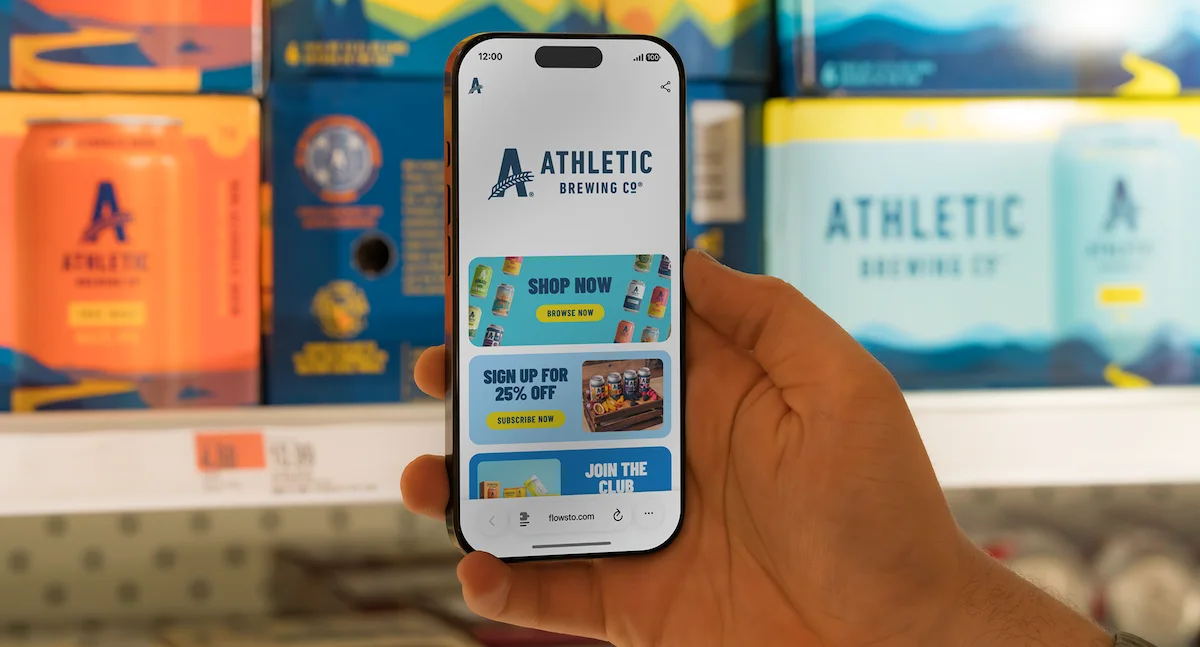
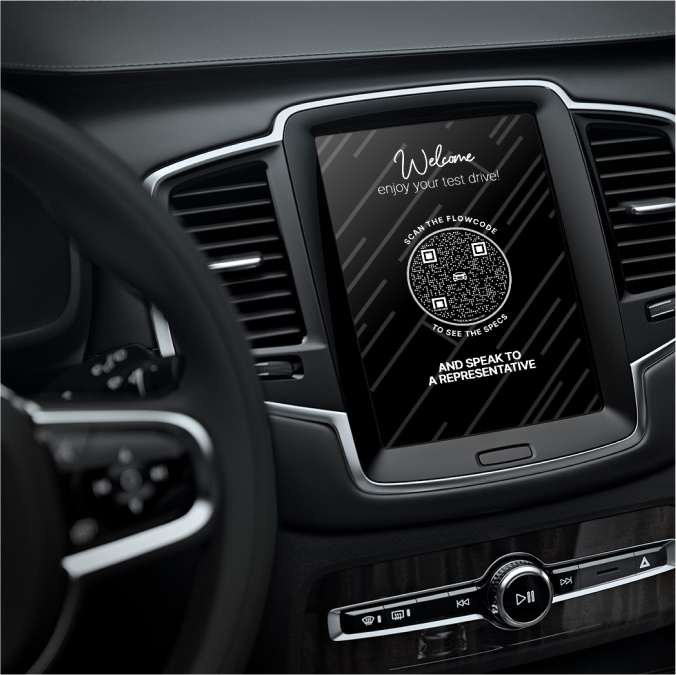
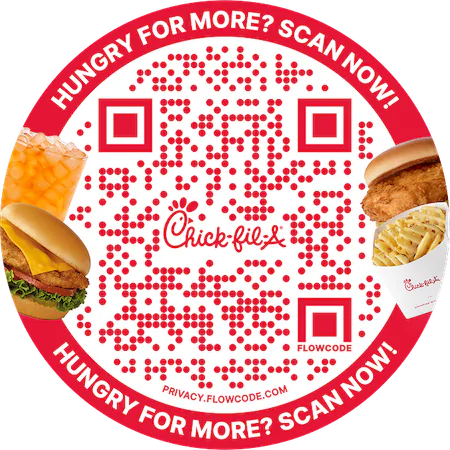
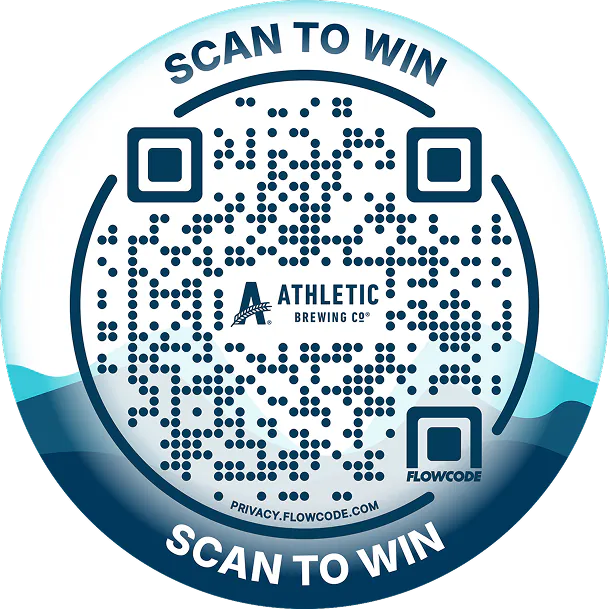
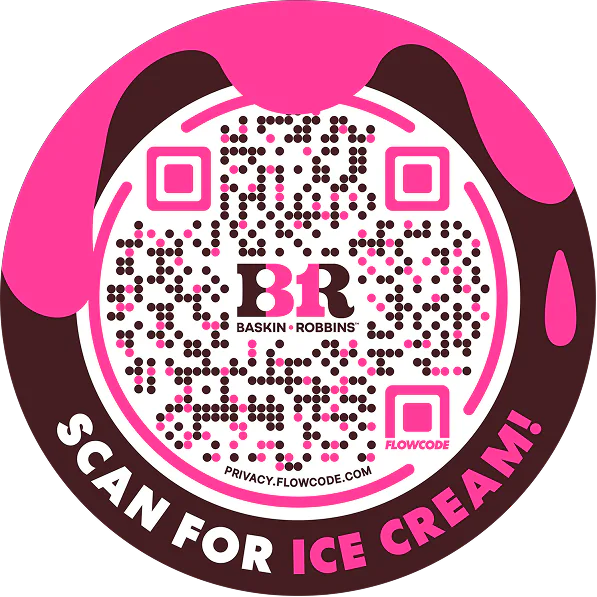
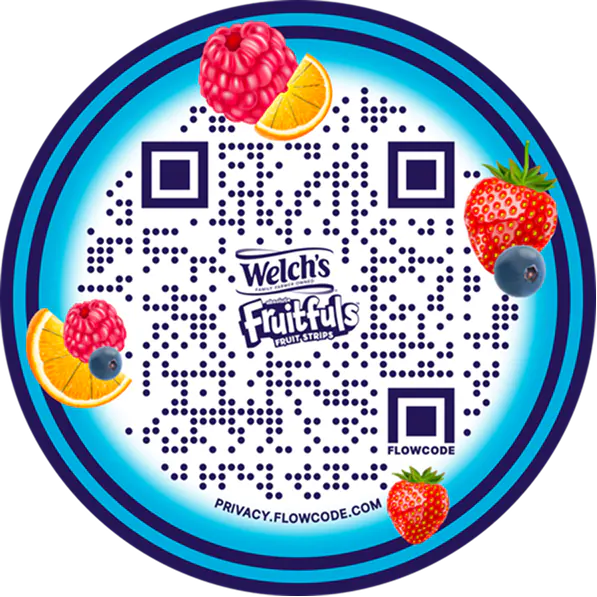
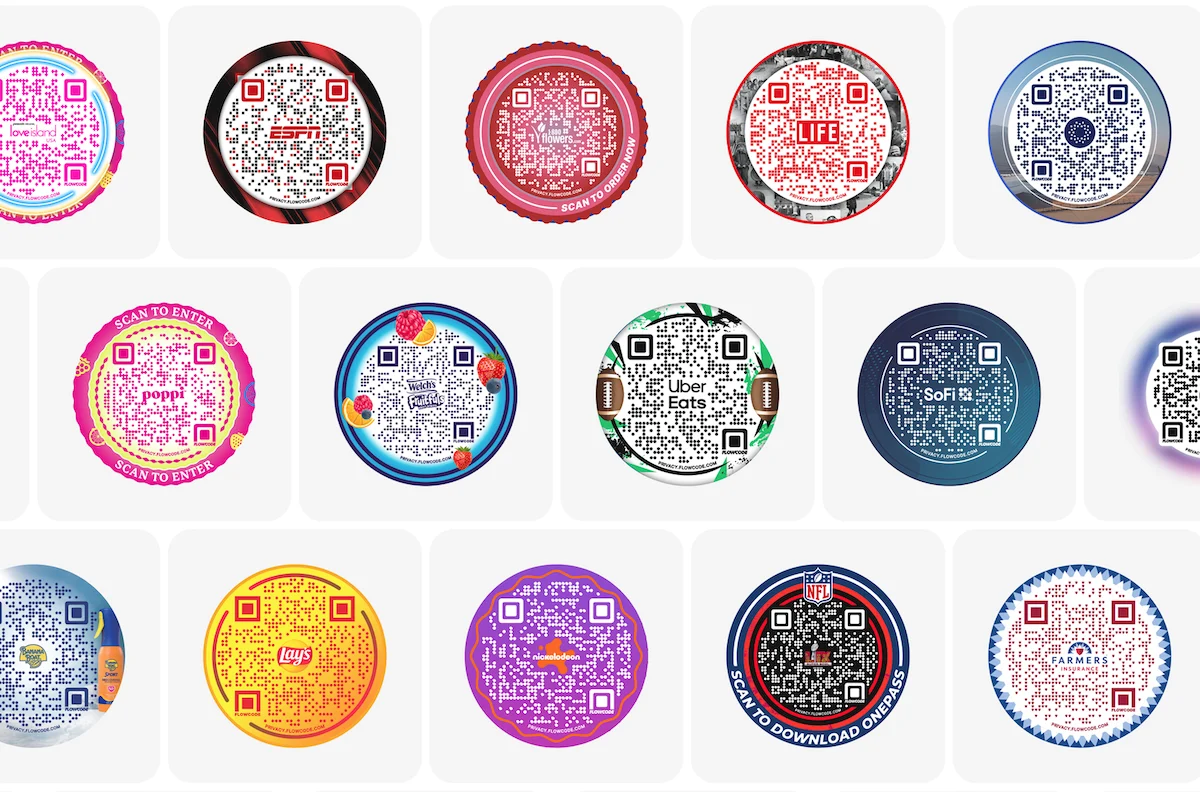
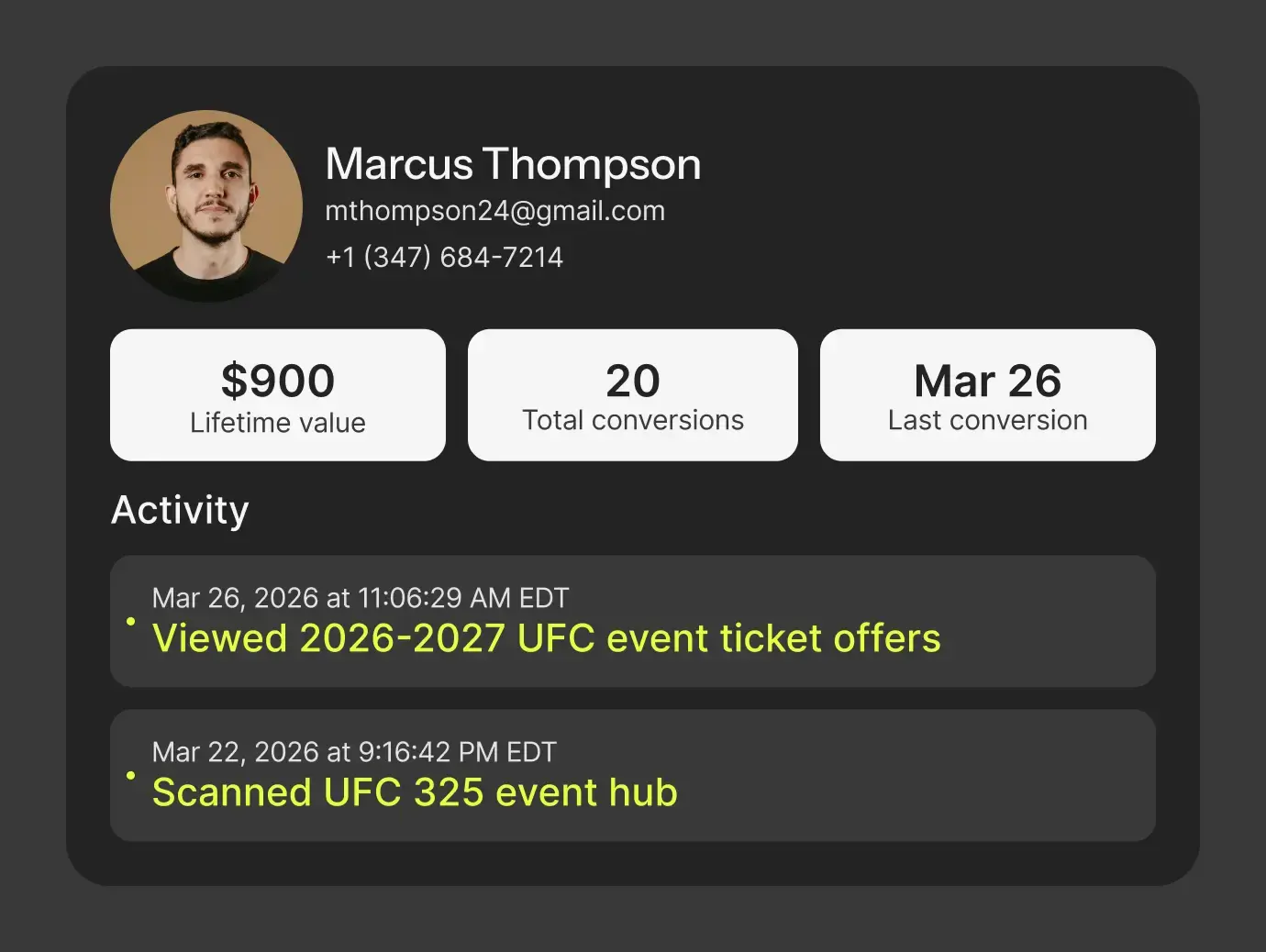
A code on a pop-up wall, a poster, a piece of swag, or a venue floor turns every attendee into a captured connection. A FlowHub behind the code gives them a menu of next actions: sign up for the loyalty program, RSVP for the next event, claim an exclusive offer, share the experience. FlowID ties every scan to a real person, building a customer profile that gets richer with every real-world moment.
The frontier is physical. The instrumentation is digital. The brands that can hold both at once are the ones to watch.