1. Our team will reach out in <30 minutes.
Check your inbox or phone, we’ll tailor your demo to your use case.
2. We build your custom demo
Flowcodes, FlowURLs, and FlowHubs with the data behind the whole platform - so you see exactly what Flowcode unlocks.
3. You go live in days
Our team handles setup. You handle growth.









.webp)

.png)
.png)

.png)
.png)
.png)
%20copy%203.png)

.png)

Back to all articles
Why "Same Code, Same Page" Is the Most Expensive Mistake in 2026 Marketing
May 6, 2026
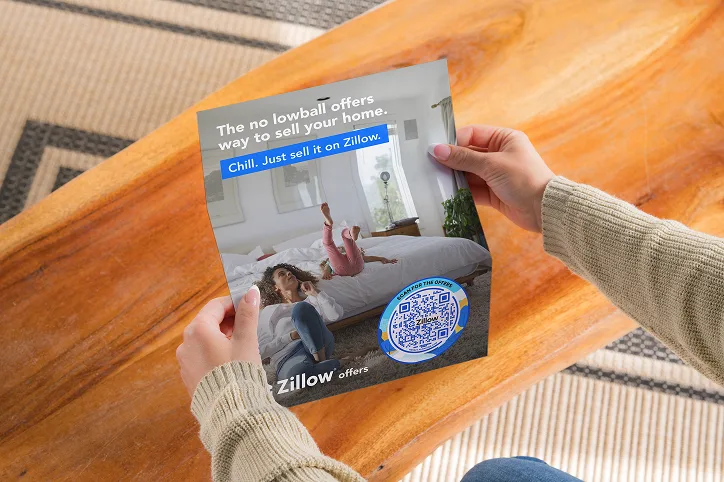

Smart Rules let a single Flowcode route scans by any combination of contextual signals, with the logic running on the platform side rather than requiring engineering.
Every Flowcode printed on a piece of marketing material in 2026 carries an assumption: that the right destination is the same for everyone who scans it.
That assumption is almost always wrong. And the cost of being wrong is bigger than most marketing teams realize.
Five contexts, one landing page
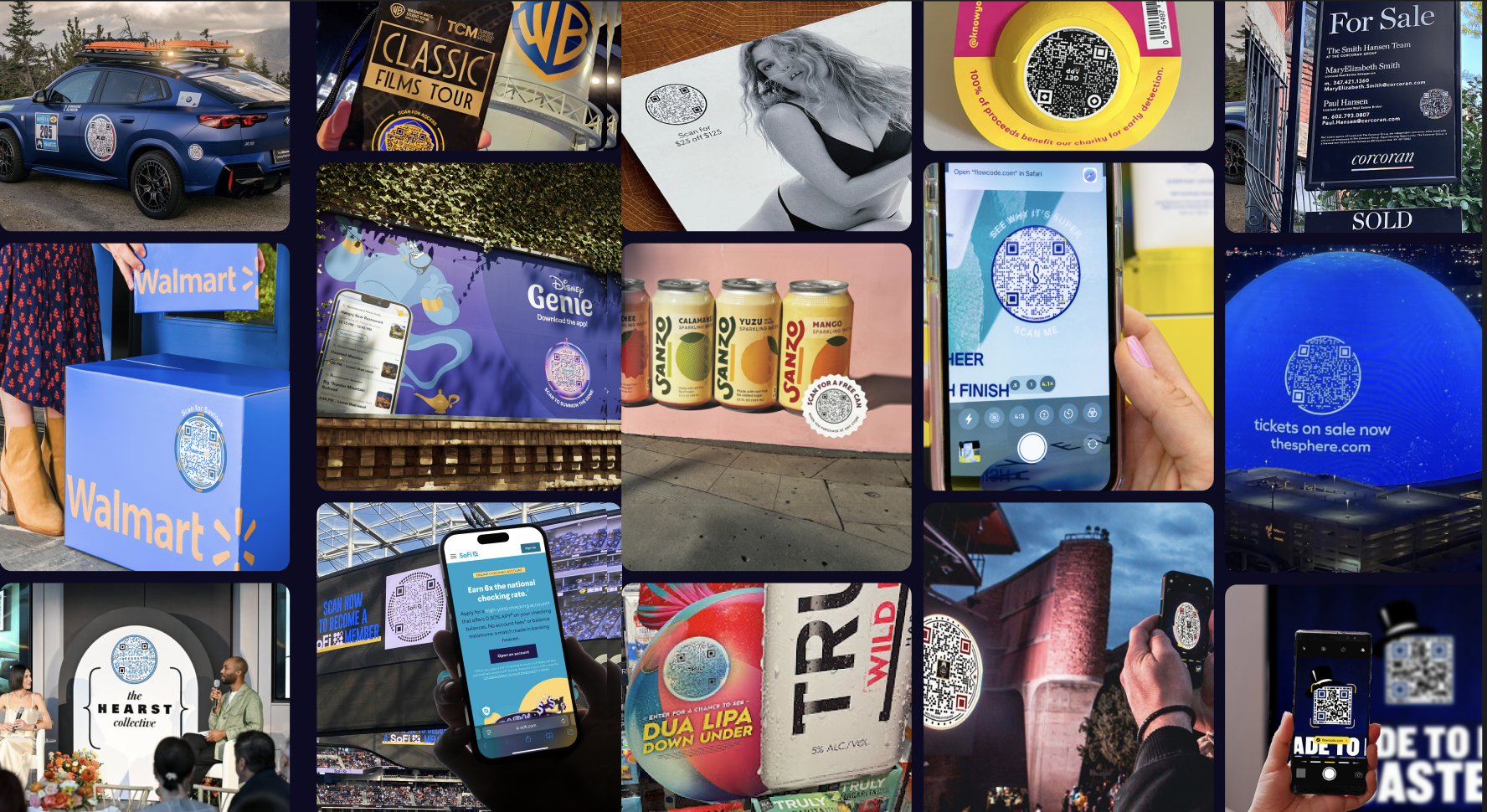
Consider a campaign that lives across multiple surfaces. The same code might appear on a national TV spot, a regional billboard, a piece of direct mail, a sponsored event, and a retail end-cap. The people scanning from TV are watching at home, probably on Wi-Fi, probably in the evening. The people scanning from the billboard are commuting. The people scanning from the mailer were targeted because they fit a particular customer profile. The people at the event are already engaged. The people at retail are seconds from a purchase decision.
Five entirely different contexts, five entirely different mindsets, five entirely different best-next-actions. Most brands send all five to the same landing page.
The waste compounds quickly
The retail shopper, ready to buy, lands on a page designed for top-of-funnel awareness and bounces. The mailer recipient, identified as a high-value prospect, lands on a page designed for cold traffic and converts at the same rate as a stranger. The event attendee, already a fan, lands on a generic acquisition page that asks them to do something they've already done. Every mismatch is a conversion the brand earned and immediately gave away.
Why this used to be a tradeoff and isn't anymore
Building five different destinations for one campaign used to mean five different codes, five different print runs, and five different sets of analytics to reconcile. The operational drag of personalization at the point of scan was high enough that most teams gave up and shipped the lowest-common-denominator destination instead.
That tradeoff doesn't exist anymore. AI-powered contextual routing is now the baseline expectation for serious enterprise marketing programs, not a premium feature.
What contextual routing looks like in practice
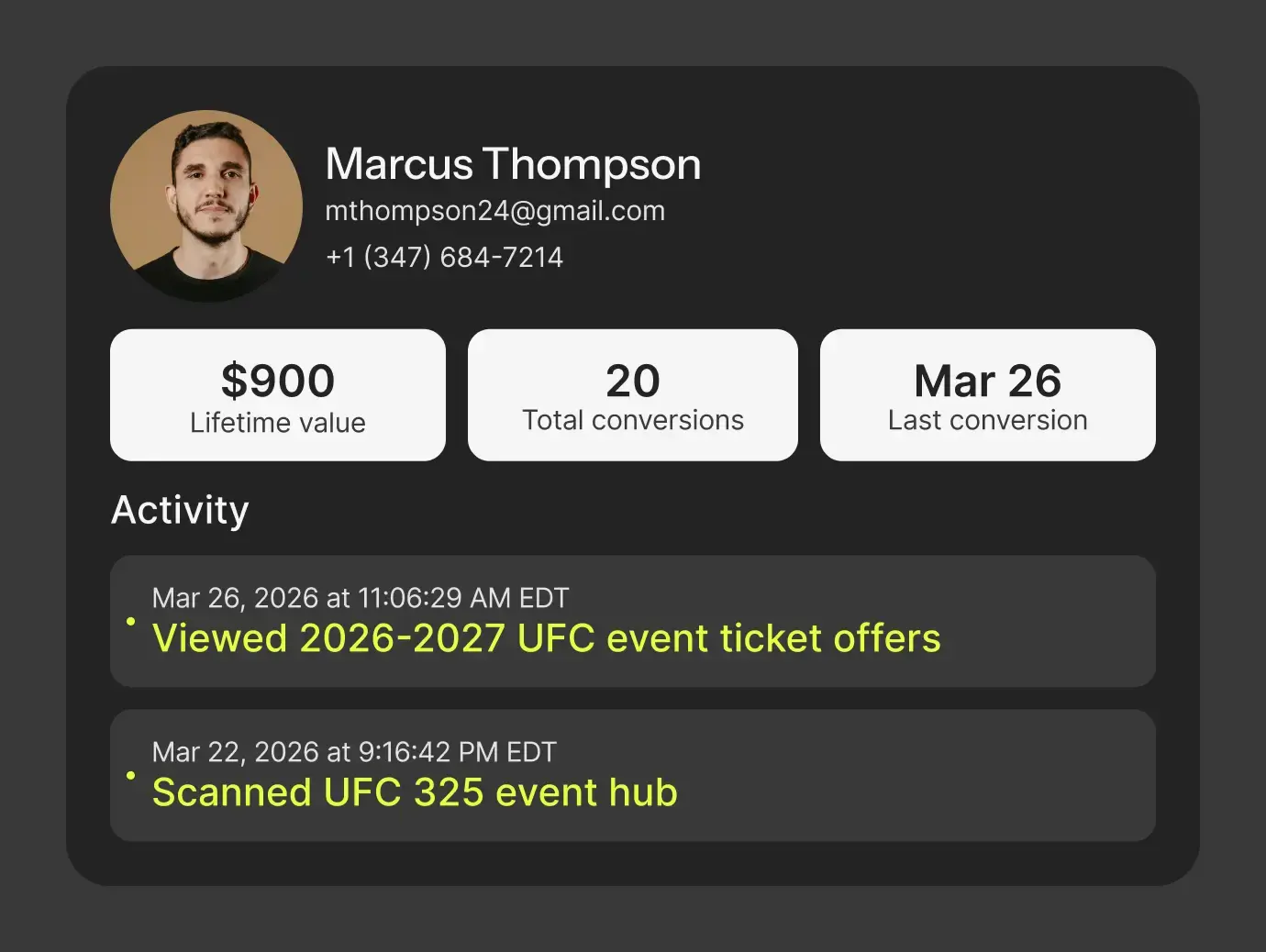
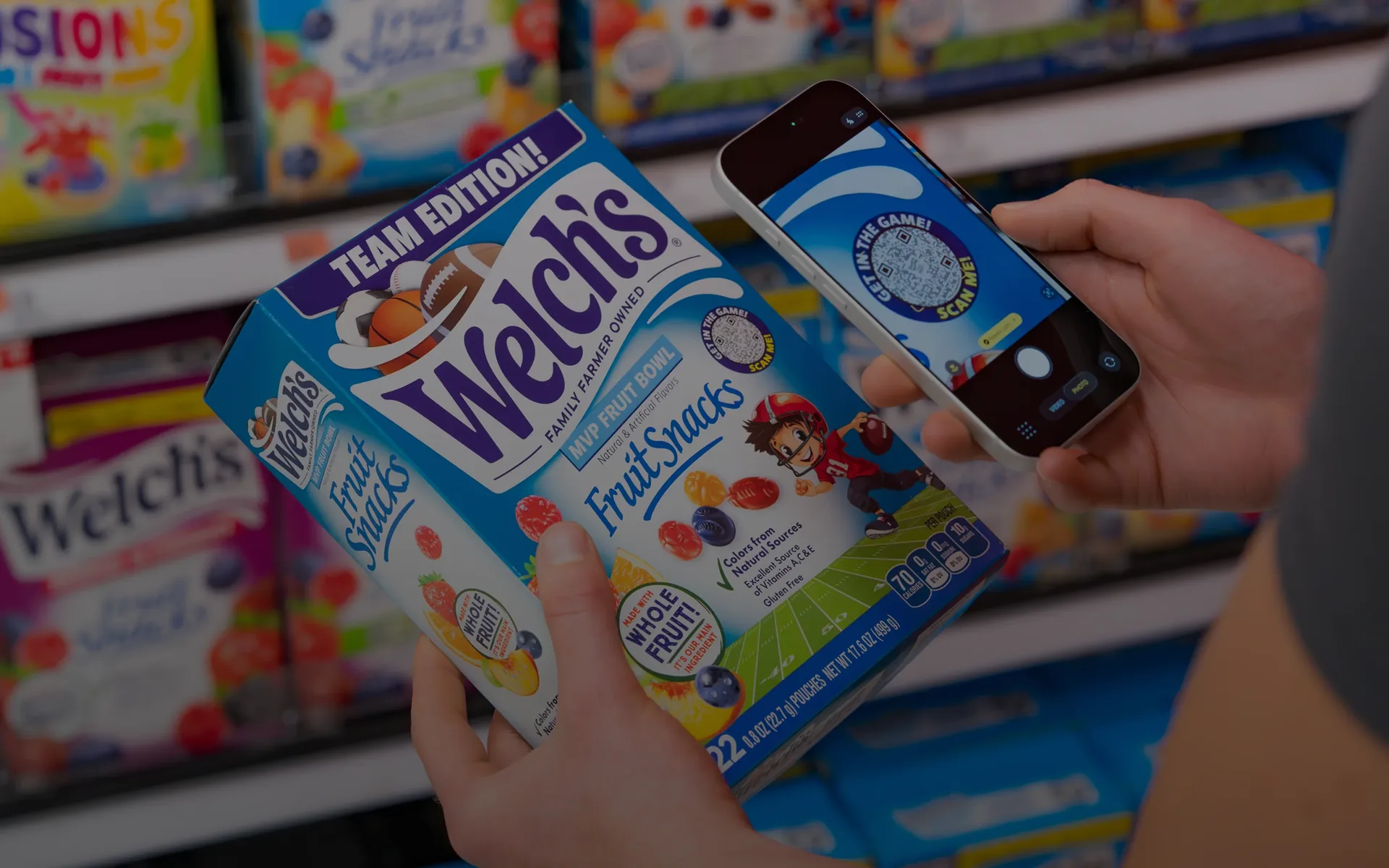
A single code, printed on a piece of packaging, routes scans differently based on what the platform can read about the moment. Time of day determines whether the consumer sees a breakfast offer or a dinner one. Geographic location determines which retailer locator surfaces. Device type determines whether the user is sent to the App Store or Google Play. Customer status, pulled from the brand's CRM, determines whether a loyalty member sees a VIP experience or a new prospect sees an acquisition offer.
The code on the package is the same. The experience is different for every person who scans it.
The Flowcode unlock
Smart Rules let a single Flowcode route scans by any combination of contextual signals, with the logic running on the platform side rather than requiring engineering. Data Properties layer in a second dimension: every code can carry metadata about the campaign, batch, location, or audience it's tied to. One physical code behaves like dozens of digital destinations, all measured under a single line item.
One code, one page is a strategy from a different era. One code, infinite experiences is the new operating model.