1. Our team will reach out in <30 minutes.
Check your inbox or phone, we’ll tailor your demo to your use case.
2. We build your custom demo
Flowcodes, FlowURLs, and FlowHubs with the data behind the whole platform - so you see exactly what Flowcode unlocks.
3. You go live in days
Our team handles setup. You handle growth.









.webp)




.png)

.png)

.png)

.png)

.png)
%20copy%203.png)

.png)


Back to all articles
From Disposable Asset to Permanent Infrastructure
May 6, 2026
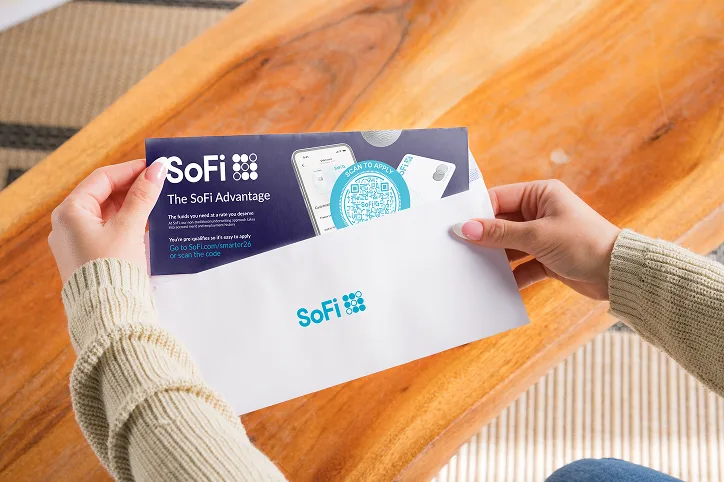

In 2026, the QR code is no longer a one-time asset. It's a piece of permanent brand infrastructure, and the enterprise brands that recognize the shift are pulling ahead of the ones still treating their codes like campaign artwork.
For most of QR's existence, the code itself was treated as a graphic. A thing the design team made for a campaign and then forgot about. That era is over.
In 2026, the QR code is no longer a one-time asset. It's a piece of permanent brand infrastructure, and the enterprise brands that recognize the shift are pulling ahead of the ones still treating their codes like campaign artwork.
The numbers explain the change
The global QR code market grew from $13 billion in 2025 to a projected $33 billion by 2031. Dynamic codes, the kind whose destination can be updated without changing the printed code, already account for 65% of market share and are growing at a 19.2% compound annual rate. Static, single-use codes are giving way to managed, lifecycle-aware codes that serve the same physical surface for years.
Why "the same surface for years" is the heart of the shift
A code on a product label, a billboard, a stadium seat, or a piece of packaging is not a campaign. It's a touchpoint that lives in the world, and the longer it lives, the more value it generates. A consumer who scans a bottle in 2024 should be able to scan that same bottle in 2026 and get a fresh, on-brand experience. That's only possible if the code is dynamic, managed, and tied to a platform that thinks in lifecycles rather than launches.
Funding and structure both change
Treating codes as campaign assets means they get budgeted under campaign line items, generated by agencies, and abandoned when the campaign ends. Treating them as infrastructure means they get budgeted under platform spend, governed by internal teams, and updated continuously as the brand evolves. The first model produces sprawl. The second produces a managed estate.
The data also gets sharper. A campaign-level code tells you how many people scanned during a flight window. An infrastructure-level code tells you which markets are over-indexing, which segments are most engaged, which creative variations are converting best, and which physical surfaces are quietly outperforming the rest.
What it looks like in practice
The most forward-thinking teams are now building their Flowcode strategy the way they build digital infrastructure. A defined platform. A clear set of standards. A budget line that grows over time. A Brand Kit that enforces visual consistency. Permissions structures that let regional teams move independently. Integration paths into CRM, CDP, and analytics so every scan flows into the systems where decisions get made.
This is what Flowcode means by enterprise scale. The platform isn't a code generator. It's a system of record for every physical touchpoint a brand puts into the world. The same code that ships in 2026 can power a different consumer experience in 2028, with no reprinting required.
The era of the disposable code is over
Physical touchpoints are permanent, dynamic, managed infrastructure. Brands that staff and budget around that reality will have a measurable advantage over brands that don't. What comes next is bigger, more durable, and far more valuable.