1. Our team will reach out in <30 minutes.
Check your inbox or phone, we’ll tailor your demo to your use case.
2. We build your custom demo
Flowcodes, FlowURLs, and FlowHubs with the data behind the whole platform - so you see exactly what Flowcode unlocks.
3. You go live in days
Our team handles setup. You handle growth.









.webp)

.png)
.png)
.png)

.png)

.png)
%20copy%203.png)
.png)

Back to all articles
Sunrise 2027: What GS1's Mandate Means for Every CPG Brand
May 12, 2026

GS1, the organization that sets global barcode standards, calls the transition Sunrise 2027. It represents the largest shift in product labeling since the introduction of the UPC barcode in 1974.
There's a deadline coming for consumer packaged goods that most marketing teams aren't talking about yet.
By 2027, every Point-of-Sale scanner in the world is expected to be capable of reading 2D codes through the GS1 Digital Link standard. GS1, the organization that sets global barcode standards, calls the transition Sunrise 2027. It represents the largest shift in product labeling since the introduction of the UPC barcode in 1974.
The technical reality
Today, the 1D barcode on most consumer products carries one piece of information: the Global Trade Item Number, or GTIN. It tells a register what the item is and how much it costs. After 2027, the same scanner at the same checkout lane will be capable of reading a 2D code that can hold thousands of characters of structured data, including GTIN, batch number, expiration date, and unique serial identifier.
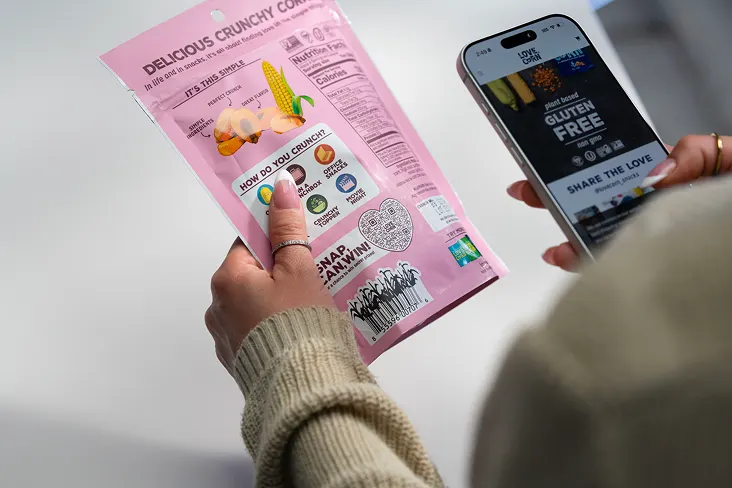
The same code that processes a transaction at the register can also serve as the consumer's entry point to recipes, sweepstakes, sustainability data, authenticity verification, or any other digital experience the brand chooses to put behind it.
Compliance is a marketing opportunity in disguise
Most CPG marketers, when they hear "compliance mandate," think cost center. The smart ones recognize Sunrise 2027 as the moment their packaging becomes a marketable surface for the first time in decades.
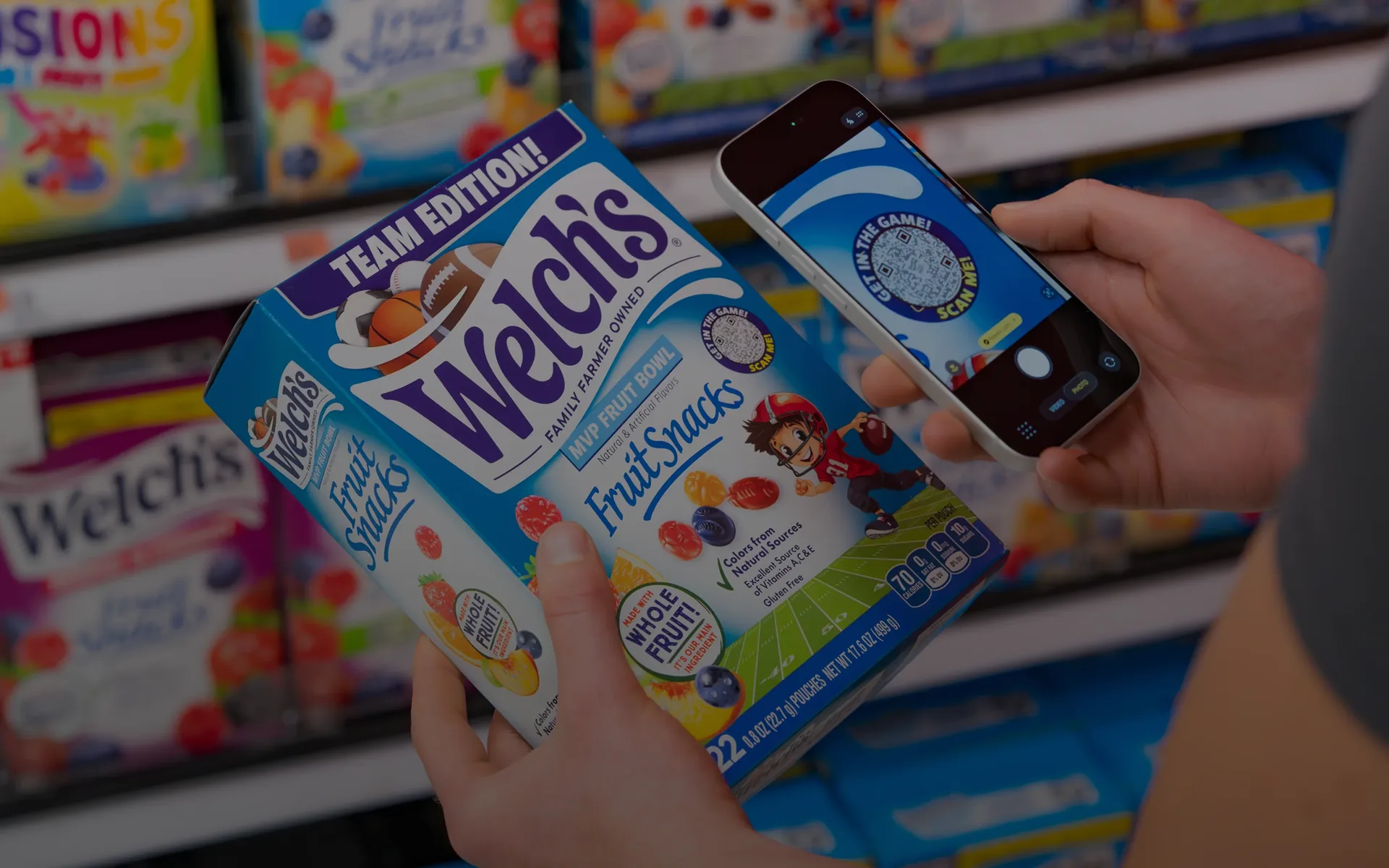
A box of cereal in a Target store today is, from a marketing perspective, a dead asset. It moves through the supply chain, scans at the register, and disappears. After Sunrise 2027, that same box can do two things simultaneously: serve its operational function at the POS, and serve as a consumer-facing touchpoint that captures intent, drives signup, and feeds the brand's first-party data layer. One physical surface. Two jobs. No additional cost per unit.
What forward-thinking brands are doing now
CPG brands starting their GS1 transitions in 2026 are doing three things in parallel. First, auditing existing SKUs and prioritizing which lines should transition first, usually starting with high-velocity items where consumer engagement upside is highest. Second, piloting GS1-compliant codes on a limited product run to validate scanner compatibility at retail. Third, training marketing, operations, and data teams on the new data they'll be capturing.
Brands that wait until late 2026 or early 2027 will find themselves competing for limited print runs and operational bandwidth with every other CPG company in the same scramble.
Why Flowcode is built for this moment
The platform generates GS1-compliant codes that meet the Digital Link URI structure required by the standard, including the mandatory GTIN and the optional Application Identifiers that carry batch, lot, and expiration data. Because the codes are dynamic, the consumer experience behind them can be updated without changing the printed packaging. A recipe in March can become a sweepstakes in April and a loyalty signup in May, all on the same physical product.
Sunrise 2027 will look like a compliance project on the budget. The brands that treat it like one will spend money and get to compliance. The brands that treat it like a marketing infrastructure investment will spend the same money and get to a measurable competitive advantage on top.