1. Our team will reach out in <30 minutes.
Check your inbox or phone, we’ll tailor your demo to your use case.
2. We build your custom demo
Flowcodes, FlowURLs, and FlowHubs with the data behind the whole platform - so you see exactly what Flowcode unlocks.
3. You go live in days
Our team handles setup. You handle growth.









.webp)
.png)
.png)
.png)
.png)

.png)
%20copy%203.png)
.png)

Back to all articles
Why Every Streaming and Creator Campaign Needs an Enterprise QR Code Strategy
August 5, 2026
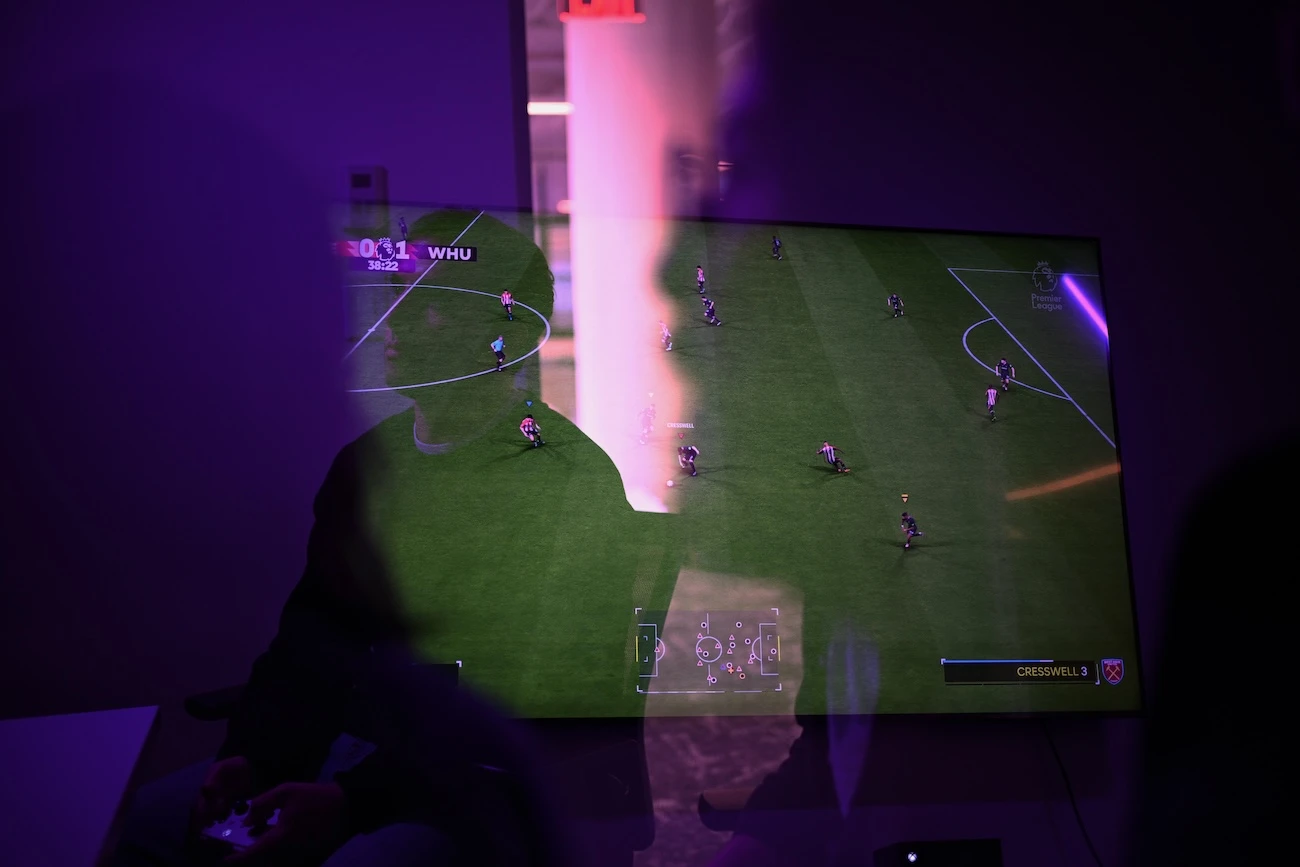

Streaming and creator content drives views, but most brands can't turn a viewer into a known contact. That's the gap Flowcode closes. A dynamic QR code lets a brand update where it leads (new offers, new episodes) without touching the content itself. Backed by real attribution, CRM integrations, and personalization at scale, every stream becomes a two-way connection point instead of a one-way channel.
Most streaming and creator activations are built to generate attention, not build your CRM. A viewer watches, maybe clicks a link in the description, and then the moment is gone. The brand knows its view count went up. It doesn't know who watched, whether they came back, or what they did next.
State Farm's "Gamerhood" is a good example of a brand trying to close that gap. The gaming reality-competition series headed into its fifth season with streamers like IShowSpeed and paired its content with sweepstakes, gameplay, and giveaways that give viewers a reason to do more than just watch.
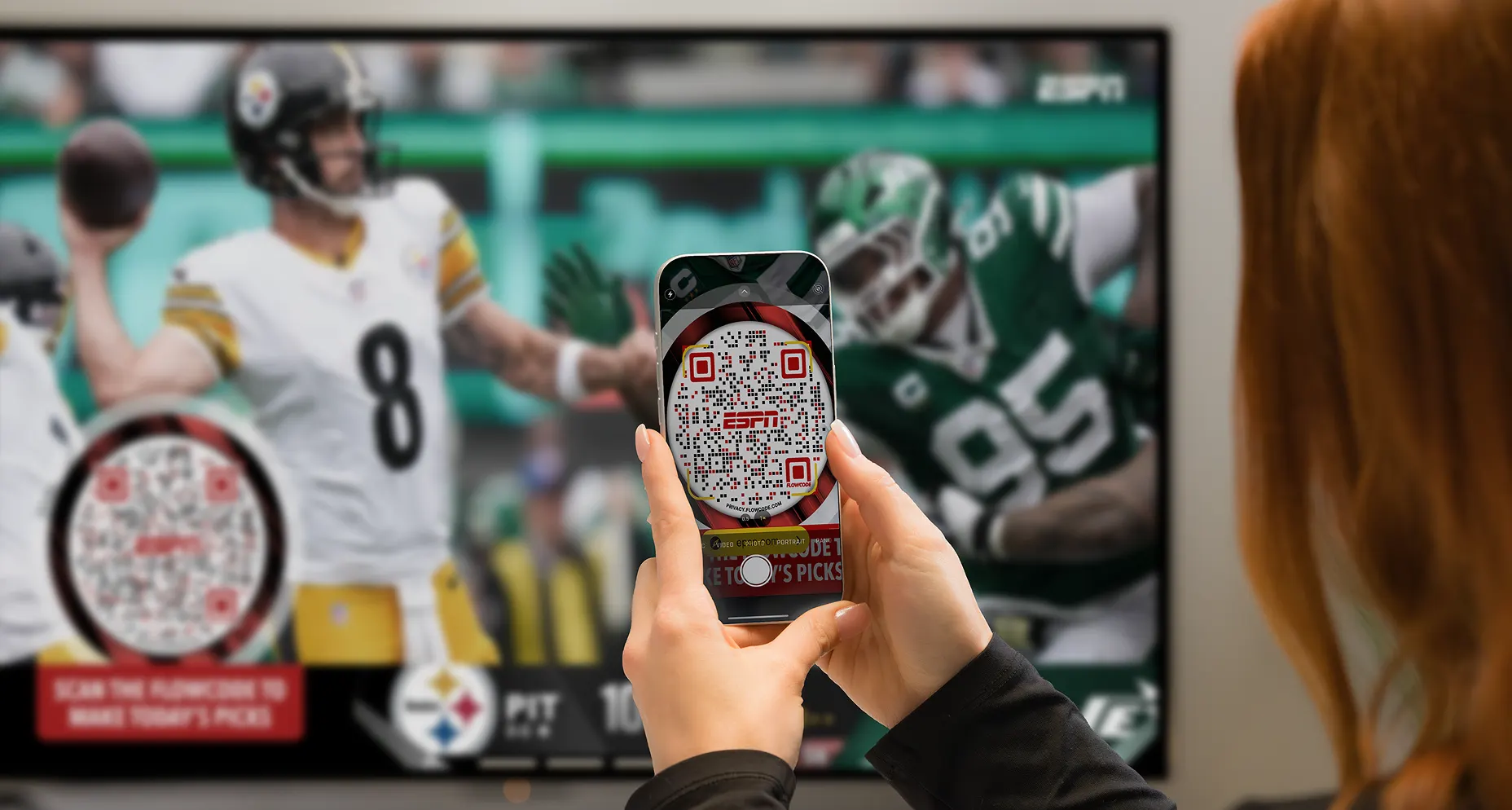
That's exactly where an enterprise QR code strategy earns its place in a marketing stack. An advanced, enterprise-grade QR code placed directly inside a livestream, a video, or an on-screen graphic gives a viewer one frictionless motion from "watching" to "acting" entering a sweepstakes, registering for a game, claiming an offer, or signing up for more content. Done right, that single motion also produces something the brand actually owns: a first-party contact record tied to your CRM, tied to a specific campaign, episode, or moment.
Why "dynamic" is the operative word
Static QR codes are fixed the moment they're generated. Once a static code is printed or embedded, its destination can never change. That's a real problem for content that moves fast. New episodes drop weekly. Offers rotate. Promotions expire and get replaced. A giveaway that's live in episode three needs to be gone by episode four.
A dynamic QR code solves this. The visual code stays the same, while the destination behind it can be updated at any time, as many times as needed, without re-editing a single video or reprinting a single graphic. For an enterprise brand running a multi-week campaign across several creators and platforms, that flexibility isn't a nice-to-have - it's the only way the logistics actually work at scale.
What "enterprise-grade" actually means here
Plenty of tools can generate a QR code. Very few can support what enterprise marketing teams actually need once that code goes live across a national campaign:
- Attribution that survives handoffs. A viewer might scan a code on a creator's channel, land on a campaign microsite, and convert days later on a different device. Flowcode's FlowID and personalization layer is built to track that whole journey.
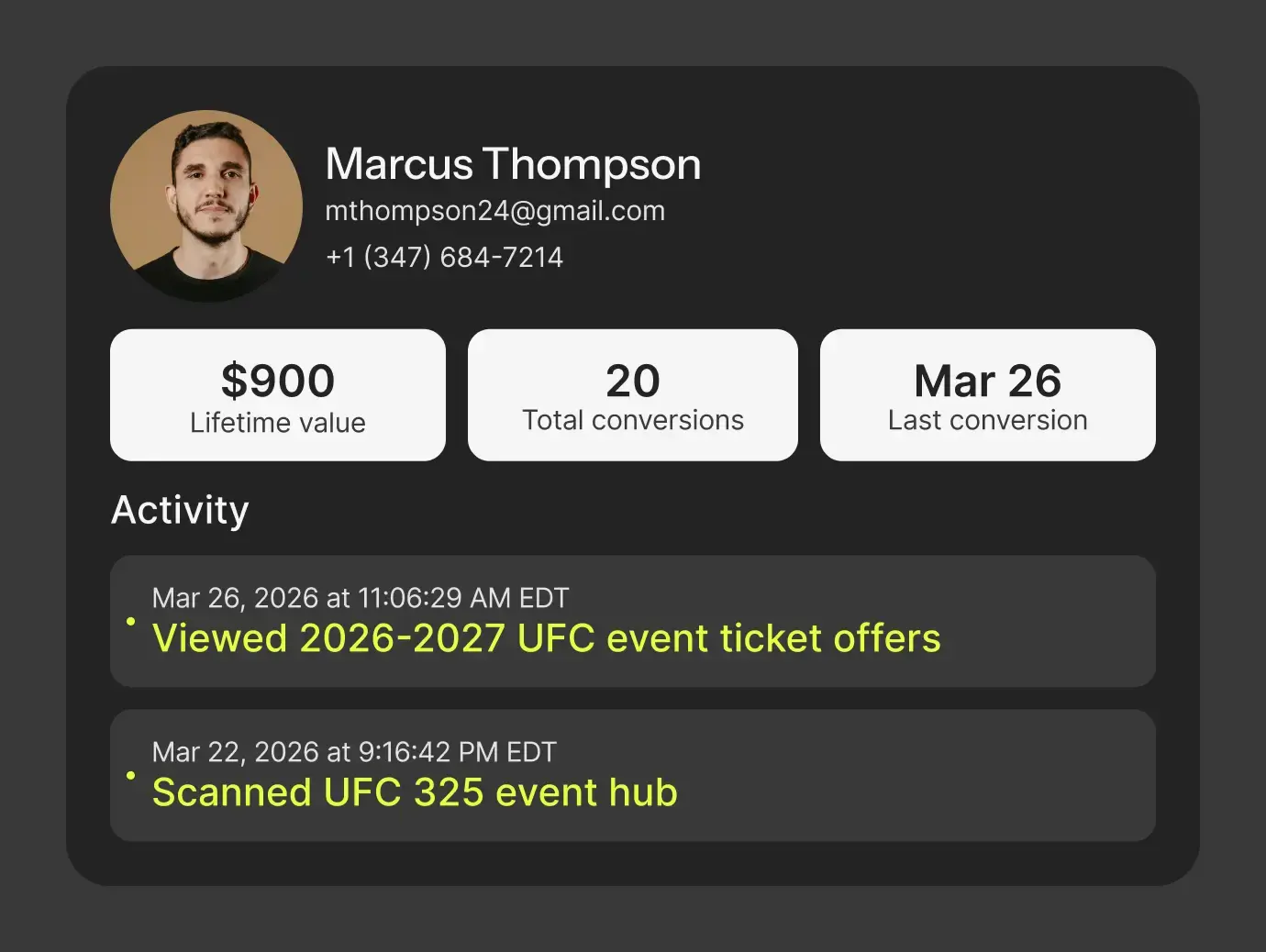
- CRM integrations. A scan should create or update a real contact record in the brand's marketing systems, not just log an anonymous click. This is the same problem brands solve with Flowcode's CRM-connected QR codes across channels like direct mail, packaging, and live events.
- Reliability at scale. When a code is live in front of a multi-million-view audience, it has to resolve instantly and consistently, every time.
This is the difference between "we put a QR code in the video" and a program that a growth or brand marketing team can actually build a channel strategy around.
The bigger shift: treating creators like a real media channel
Creator and streaming partnerships are increasingly being measured the way any other media channel is measured: with real attribution, real audience data, and real accountability for spend. Brands that want that level of rigor need infrastructure built for it, not a static link bolted onto a video description.
Sports and entertainment brands have led the way here, using QR-powered fan engagement programs to turn broadcast and in-venue moments into first-party data. The same underlying model that makes a streaming or creator campaign work. An enterprise QR code strategy is what makes that possible: it turns every piece of creator content - every stream, episode, and drop - into a two-way connection point instead of a one-way broadcast.