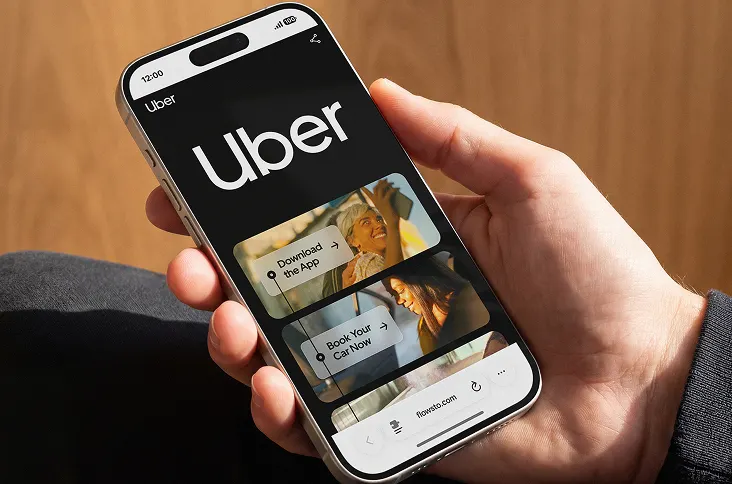
1. Our team will reach out in <30 minutes.
Check your inbox or phone, we’ll tailor your demo to your use case.
2. We build your custom demo
Flowcodes, FlowURLs, and FlowHubs with the data behind the whole platform - so you see exactly what Flowcode unlocks.
3. You go live in days
Our team handles setup. You handle growth.









.webp)



.png)
.png)

.png)

.png)
.png)

%20copy%203.png)

.png)


Back to all articles
What Are Smart Rules? Unlocking the Next Level of Personalization
September 8, 2026
.webp)

Smart Rules let a single Flowcode touchpoint send different visitors to different destinations based on device, location, time, day, or who they are, all without creating duplicate touchpoints.
How do Smart Rules work?
A Smart Rule is a condition attached to a Flowcode that determines which of several destinations a visitor gets sent to. Instead of manually swapping a link every time your audience or offer changes, you set the logic once, and Flowcode handles the routing from there. The core conditions cover most of what brands need day-to-day:
- Device type routes people based on whether they're on iOS, Android, or desktop, so one touchpoint can send iPhone users to the App Store and Android users to Google Play.
- Location routes people based on where they are, down to a state, zip code, or a radius around a specific address.
- Time of day and day of week change the destination based on when someone connects, useful for anything that shifts by daypart or by weekday versus weekend.
- Date handles anything tied to a specific window, like a seasonal promotion or an event with a defined start and end.
A quick example: a QSR brand running one Flowcode across its in-store signage can show a breakfast menu before 11 a.m., a lunch menu with the daily special from 11 to 4, and a dinner menu after that, all without anyone manually swapping links throughout the day. Add a location rule on top, and a chain can send that same touchpoint to a store-specific page depending on which location someone's actually standing in.
That's the foundation, and it's likely the version of Smart Rules most teams are already using.
Taking it further
Device, location, time, and date cover a lot of ground, but they're not the only way to personalize with Smart Rules. Two more capabilities open up a level of precision that's easy to overlook if you're only thinking of Smart Rules as a page-level redirect tool.
Rules can apply to a single piece of a page, not just the whole thing. Instead of building an entire separate landing page just to change one button or one form, a single module, like a form or call-to-action, can carry its own routing logic while everything else on the page stays the same. The clearest use case is an embedded sweepstakes form: without a module-level rule, someone who already submitted an entry can land back on the same form and try to submit again. With one, that form alone can recognize a repeat visitor and swap in an "already entered" message or a different call-to-action.
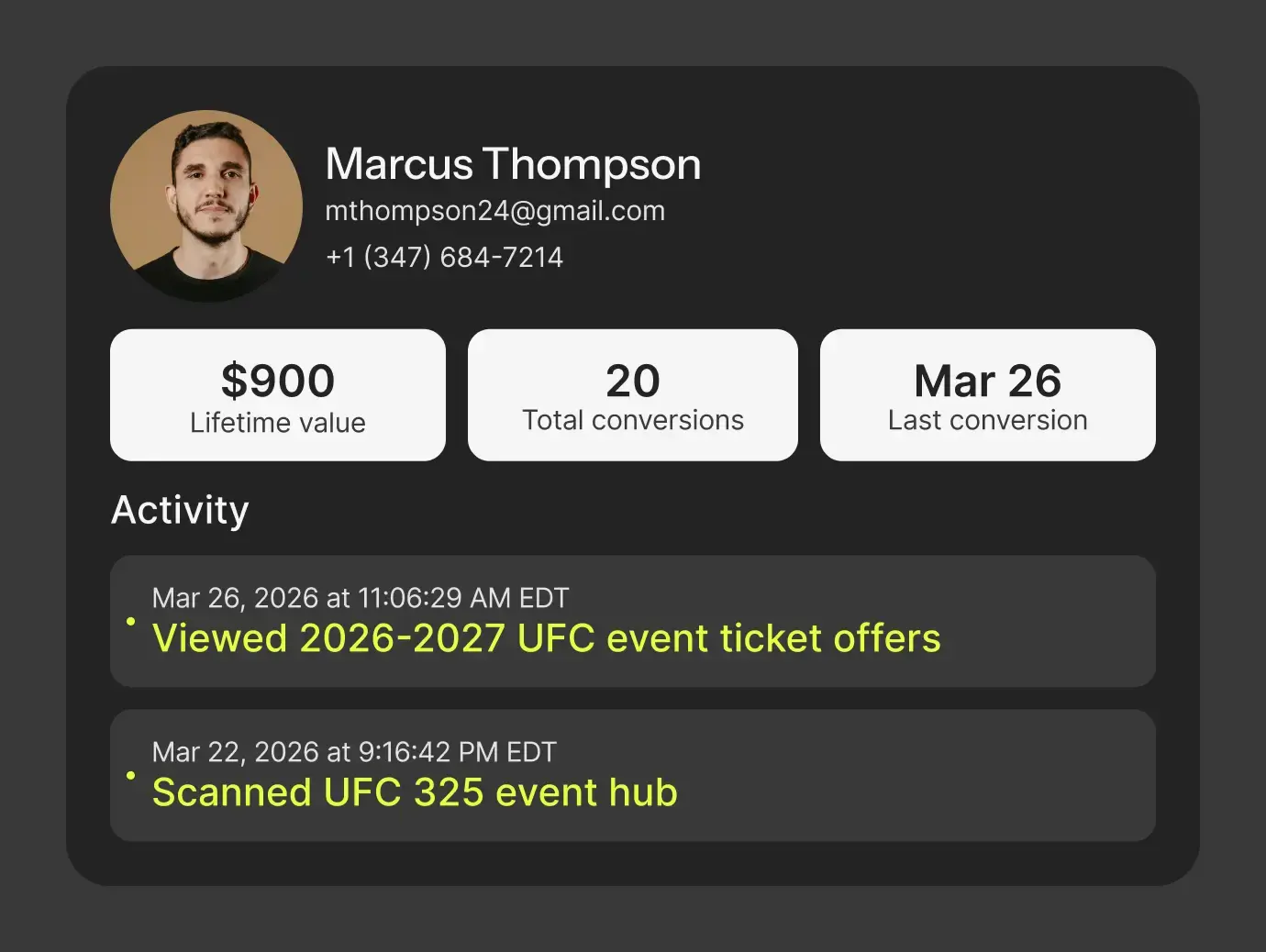
Rules can also route based on who someone is, not just where or when they showed up. This uses contact properties tied to a visitor's profile, things like loyalty tier, purchase history, or whether they're a first-time or repeat visitor. A known, high-value customer can skip straight to a tailored offer, while a first-time visitor follows a path built for discovery. It's the difference between routing on external conditions and routing on identity.
It depends on your plan. Some plans include the core routing conditions, like device, location, and time, by default. Others unlock deeper capabilities like module-level routing and identity-based personalization. If you're already running Smart Rules and finding yourself wanting more precision than page-level routing allows, that's usually a sign your plan doesn't currently include those capabilities, not that they don't exist.
FAQ: Smart Rules
What are Smart Rules? A set of conditions on a single Flowcode that automatically send visitors to different destinations based on factors like device, location, time, or who they are.
What's the difference between page-level and module-level Smart Rules? Page-level rules change the entire destination for a visitor. Module-level rules let a single button, form, or component within a page carry its own routing logic, so only that piece changes while the rest of the experience stays the same.
Why do Smart Rules matter? The value comes down to fewer things to manage and more relevant experiences to show for it. One touchpoint can now carry an entire decision tree instead of a single static link, adjusting automatically as your audience, timing, or offers change. That's less manual upkeep for your team and a more personalized moment for everyone who reaches it.
Curious whether your plan includes the more advanced options? Chat with our team to find the best fit for what you're trying to personalize.
.webp)